When the Indian government launched the Make in India campaign in 2014, the main objective was simple but ambitious:
Turn India into a global manufacturing and innovation hub.
At that time, India was heavily dependent on imports for electronics, semiconductors, telecom equipment, and several advanced technology products. While the country had already built a strong reputation in IT services and software outsourcing, manufacturing in the technology sector remained comparatively weak.
Over the years, however, “Make in India” gradually evolved from a manufacturing slogan into a larger economic and strategic vision.
In 2026, the initiative has become deeply connected to India’s technology ambitions involving:
- Electronics manufacturing
- Semiconductor production
- Smartphone assembly
- Telecom infrastructure
- AI hardware ecosystems
- Defense technology
- Renewable-energy equipment
- Startup innovation
Today the significance of “Make in India” for the tech industry is no longer limited to factories alone. It is shaping India’s position in the global digital economy.
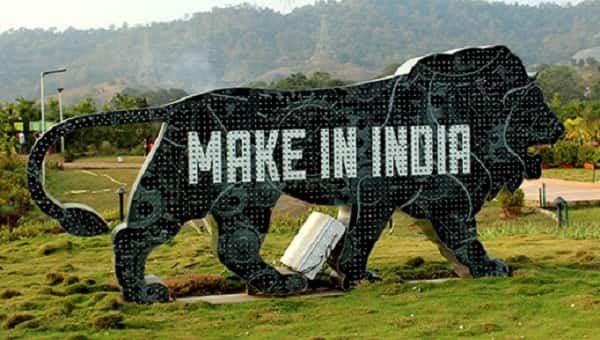
What Is the “Make in India” Initiative?
“Make in India” is a government-led initiative designed to encourage:
- Domestic manufacturing
- Foreign investment
- Innovation
- Skill development
- Industrial growth
Official website: https://www.makeinindia.com/
The program aimed to make India a major global production center across multiple industries including:
- Electronics
- Automobiles
- Defense
- Pharmaceuticals
- Renewable energy
- Telecommunications
For the tech industry, this became especially important because India wanted to reduce dependence on imported technology products.
Why the Tech Sector Needed “Make in India”
For many years, India consumed enormous amounts of technology products but manufactured relatively little domestically.
The country imported:
- Smartphones
- Semiconductor components
- Networking equipment
- Computer hardware
- Telecom systems
This created:
- Trade imbalance
- Supply-chain vulnerability
- Foreign dependency
The tech industry required stronger domestic production capacity.
Smartphone Manufacturing Changed Dramatically
One of the biggest visible successes of the initiative has been mobile-phone manufacturing.
India gradually became one of the world’s largest smartphone assembly and manufacturing centers.
Major global companies expanded manufacturing operations in India, including:
- Apple
- Samsung
- Xiaomi
India now exports smartphones to multiple countries, something that seemed unlikely a decade ago.
Production-Linked Incentive (PLI) Schemes Accelerated Growth
The Indian government introduced PLI schemes to encourage domestic production across strategic sectors.
Technology-focused PLI support helped industries such as:
- Electronics manufacturing
- Semiconductor packaging
- Telecom equipment
- IT hardware
Official information: https://www.meity.gov.in/
These incentives encouraged companies to expand local production capabilities.
The Semiconductor Push Became Strategically Important
Semiconductors became a global geopolitical issue after supply-chain disruptions worldwide.
India recognized that relying entirely on imported chips created long-term risk.
As a result, India intensified efforts to develop:
- Semiconductor fabrication
- Chip packaging
- Electronics supply chains
- Design ecosystems
The India Semiconductor Mission emerged as part of this larger strategy.
Official website: https://ism.gov.in/
“Make in India” Reduced Import Dependence
Technology manufacturing inside India helps reduce dependence on foreign imports in sectors such as:
- Mobile devices
- Consumer electronics
- Networking hardware
- Solar equipment
- Telecom infrastructure
This strengthens economic resilience.
Job Creation Is One of the Biggest Benefits
The tech manufacturing ecosystem generates employment across multiple levels:
- Factory workers
- Engineers
- Logistics staff
- Software professionals
- Supply-chain businesses
- Component manufacturers
This creates large indirect economic effects beyond just factories.
India Is Moving Beyond Only Software Services
For decades, India was globally known mainly for:
- IT outsourcing
- Software services
- Call centers
- Backend operations
“Make in India” helped expand India’s ambitions toward:
- Hardware manufacturing
- Electronics production
- Deep-tech ecosystems
This diversification is strategically important.
Electronics Manufacturing Ecosystems Are Expanding
Tech manufacturing creates supporting industries such as:
- Battery manufacturing
- PCB assembly
- Components production
- Logistics networks
- Precision engineering
These ecosystems strengthen industrial depth.
Global Companies Are Diversifying Supply Chains
Geopolitical tensions and supply-chain disruptions encouraged many companies to reduce dependence on single-country manufacturing concentration.
India benefited from this shift because companies started exploring:
- China+1 strategies
- Diversified manufacturing locations
India positioned itself as an alternative production destination.
“Make in India” Also Supports Startups
Domestic manufacturing growth creates opportunities for Indian startups in:
- EV technology
- IoT devices
- Robotics
- Electronics design
- Drone technology
- SaaS-integrated hardware systems
The startup ecosystem benefits when local manufacturing infrastructure improves.
Telecom Infrastructure Became Strategically Sensitive
After global telecom-security concerns increased, India focused more on indigenous telecom infrastructure and networking systems.
Domestic telecom manufacturing gained greater strategic importance.
AI and Data-Center Growth Need Hardware Ecosystems
India’s AI ambitions require more than software talent.
The country also needs:
- Servers
- GPUs
- Data-center infrastructure
- Semiconductor capability
- Networking equipment
“Make in India” increasingly intersects with India’s AI and digital-infrastructure goals.
Defense Technology Manufacturing Expanded
Technology manufacturing is now closely tied to national security.
India increased emphasis on domestic production of:
- Defense electronics
- Drones
- Surveillance systems
- Advanced communication equipment
This reduces long-term external dependency.
Challenges Still Exist
Despite progress, major obstacles remain.
Semiconductor Manufacturing Is Extremely Expensive
Chip fabrication requires:
- Massive capital investment
- Water resources
- Advanced infrastructure
- Specialized expertise
Building global-scale semiconductor ecosystems takes years.
India Still Imports Many Critical Components
Even when final assembly happens locally, several high-value components are still imported.
Supply-chain localization remains incomplete.
Skill Gaps Still Need Attention
Advanced manufacturing requires:
- Precision engineering
- Semiconductor expertise
- Robotics knowledge
- High-end technical training
Skill development remains essential.
Infrastructure Challenges Continue
Reliable:
- Electricity
- Logistics
- Ports
- Industrial parks
- Transportation networks
remain critical for large-scale tech manufacturing success.
Research and Development Must Grow Further
India still needs stronger domestic R&D ecosystems for:
- Core chip design
- Hardware innovation
- Advanced electronics research
Manufacturing alone is not enough for technological leadership.
Why “Make in India” Matters Geopolitically
Technology today is deeply linked with:
- Economic power
- National security
- Global influence
Countries that control technology manufacturing ecosystems gain major strategic advantages.
India’s push toward domestic tech capability is therefore both economic and geopolitical.
Digital India and Make in India Work Together
The Digital India and Make in India initiatives increasingly complement each other.
Official website: https://www.digitalindia.gov.in/
Digital adoption increases domestic technology demand, while manufacturing initiatives support supply capability.
Why SMEs Also Benefit
Large manufacturing ecosystems create opportunities for smaller businesses in:
- Components
- Packaging
- Industrial automation
- Logistics
- Software integration
- Maintenance services
This broadens industrial participation.
What Experts Expect in 2026 and Beyond
Analysts increasingly believe India may become one of the world’s most important technology-manufacturing ecosystems over the next decade if:
- Infrastructure improves
- Semiconductor investments succeed
- Policy consistency continues
- Skill development accelerates
Final Thoughts
The significance of “Make in India” for the tech industry goes far beyond factory production. It represents India’s larger attempt to transform from a technology consumer into a technology producer.
In 2026, the initiative is influencing everything from smartphones and semiconductors to telecom systems, AI infrastructure, EV ecosystems, and defense technology.
Challenges still remain, especially in advanced manufacturing and semiconductor independence. But the broader shift is already visible:
India is no longer aiming to participate only in the global digital economy through software services alone. It is increasingly trying to become a major technology manufacturing power as well.
FAQs
Q. What is “Make in India”?
Make in India is a government initiative launched to boost manufacturing and attract investment in India.
Q. How does it help the tech industry?
It encourages local production of electronics, telecom equipment, semiconductors, and smartphones.
Q. Why is semiconductor manufacturing important?
Semiconductors are essential for devices like phones, computers, EVs, and AI systems.
Q. Which companies manufacture tech products in India?
Companies like Apple and Samsung manufacture products in India.
Q. What is the PLI scheme?
PLI (Production-Linked Incentive) gives financial incentives to companies increasing manufacturing in India.
Q. Does “Make in India” create jobs?
Yes, it creates jobs in factories, logistics, engineering, and supply-chain sectors.
Q. How does it reduce imports?
Local manufacturing reduces dependence on imported electronics and hardware.
Q. Does it help startups?
Yes, startups in EVs, electronics, AI, and robotics benefit from better manufacturing ecosystems.
Q. What are the major challenges?
Key challenges include infrastructure gaps, high semiconductor costs, and skill shortages.
Q. Why is “Make in India” important for India’s future?
It helps India become a global manufacturing and technology hub instead of only a software-service economy.