Most people know they should sleep earlier.
The problem is that modern life makes it extremely difficult.
You finish work or college, finally get free time at night, and suddenly hours disappear through scrolling, videos, gaming, messaging, or “just checking one thing” on the phone. Before realizing it, it is 1 AM and your brain still feels fully awake.
That is exactly why reducing screen time before bed has become such a major health conversation today.
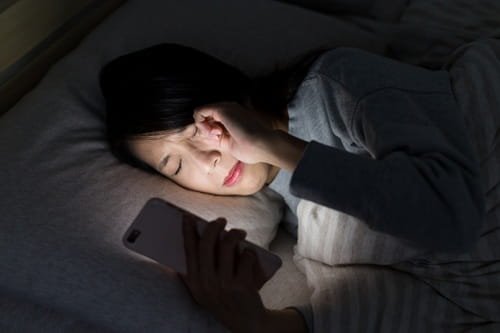
Phones are no longer just communication devices. They are entertainment systems, social spaces, shopping malls, news feeds, workstations, and distraction machines combined together. And because they travel everywhere with us, many people now fall asleep with screens literally inches away from their face.
The problem is not only losing sleep hours.
Late-night screen use affects:
- Sleep quality
- Mental calmness
- Anxiety levels
- Attention span
- Stress recovery
- Morning energy
Research suggests excessive nighttime screen exposure, especially blue light, can interfere with melatonin production and sleep cycles.
And honestly, many people do not realize how mentally overstimulated they feel until they finally spend a few nights away from endless bedtime scrolling.
Here are five realistic ways to reduce screen time before bed without turning your evenings into punishment.
1. Create a “Phone Parking Spot” Outside the Bed
One of the biggest reasons people scroll endlessly at night is simple:
The phone stays physically too close.
If your device is:
- Under the pillow
- Beside the head
- In your hand
- On the mattress
you will almost automatically keep checking it.
The brain struggles with temptation when the source of stimulation remains constantly reachable.
That is why creating a fixed charging or parking spot away from the bed helps surprisingly well.
Even placing the phone across the room changes behavior because it introduces small physical friction before checking notifications.
And small friction matters psychologically.
Why Beds Should Stop Becoming Entertainment Zones
Many people now use beds for:
- Work
- Scrolling
- Gaming
- Watching videos
- Eating
- Messaging
The brain gradually stops associating the bed with sleep itself.
Sleep experts often recommend strengthening the mental connection between bed and rest instead of constant stimulation. (sleepfoundation.org)
2. Replace Doomscrolling With Low-Stimulation Activities
Most people try reducing screen time by simply “using more willpower.”
That usually fails.
The brain dislikes sudden boredom after constant stimulation.
Instead of removing stimulation completely, replace it with calmer activities.
Examples include:
- Reading physical books
- Journaling
- Stretching
- Listening to soft music
- Skin-care routines
- Light conversation
- Meditation
- Herbal tea rituals
The goal is gradual nervous-system slowing rather than instantly forcing the brain into sleep mode after intense scrolling.
Why Doomscrolling Feels Addictive at Night
Nighttime scrolling often becomes emotional escape rather than entertainment.
People scroll because they feel:
- Mentally tired
- Lonely
- Stressed
- Overstimulated
- Avoidant
Social media algorithms also encourage endless continuation through short-form content loops.
That is why “just five minutes” often becomes an hour.
3. Set a Digital Curfew Instead of a Sleep Goal
This works better for many people.
Instead of saying:
“I must sleep by 10:30.”
Try saying:
“No screens after 10 PM.”
Why?
Because late-night sleep problems often begin before the actual sleeping attempt.
If the brain remains overstimulated until the last second, falling asleep naturally becomes harder.
A digital curfew creates transition time between stimulation and rest.
Start Small
Do not suddenly attempt a 3-hour screen detox before bed.
That usually feels unrealistic.
Start with:
- 20 minutes
- 30 minutes
- 45 minutes
Consistency matters more than perfection initially.
4. Turn Off Algorithm-Driven Notifications at Night
Many people are not consciously choosing to use their phone repeatedly.
Notifications keep pulling them back.
Examples include:
- Reels alerts
- Breaking news
- Shopping offers
- Random recommendations
- Group chats
- Late-night social media updates
These notifications constantly reactivate attention.
The brain never fully settles.
Turning off unnecessary nighttime notifications often reduces screen time naturally without requiring massive self-control.
Use “Do Not Disturb” More Aggressively
Many phones already offer:
- Focus modes
- Sleep modes
- Scheduled silent periods
- Notification summaries
Most people simply never use them properly.
Protecting nighttime mental quiet matters more now because digital interruptions have become nonstop.
5. Stop Treating Nighttime as “Catch-Up Internet Time”
This is extremely common today.
Many people spend the whole day busy with work, college, or responsibilities. Night becomes the only personal free time available.
So they try to emotionally “recover” through endless content consumption.
The result?
They stay awake far longer than intended because they do not want free time to end.
This is less about phones and more about emotional exhaustion.
That is why healthier daytime balance matters too.
If people feel emotionally deprived all day, nighttime screen overuse becomes much harder to control.
Why Blue Light Is Only Part of the Problem
People often focus only on blue-light filters.
Those help slightly, but overstimulation matters just as much.
Even without bright screens, emotionally intense content keeps the brain alert.
Examples include:
- Arguments online
- Stressful news
- Competitive gaming
- Work emails
- Emotional conversations
The nervous system stays activated.
Reducing screen time works best when both light exposure and mental stimulation decrease together.
Sleep Quality Matters More Than Sleep Quantity
Many people technically sleep enough hours but still wake up exhausted.
Why?
Because overstimulated sleep often feels shallow and fragmented.
Late-night screen exposure may affect:
- Deep sleep quality
- Melatonin timing
- Mental recovery
- Morning alertness
That is why reducing screen time often improves how rested people feel, not only total sleep duration.
Why Gen-Z and Young Adults Struggle More
Younger generations grew up with permanent digital access.
Phones became:
- Alarm clocks
- Entertainment
- Social life
- Identity spaces
- Emotional escape tools
As a result, many people now feel uncomfortable being offline even briefly.
Nighttime silence itself feels unfamiliar.
That psychological dependency makes bedtime screen habits difficult to break initially.
What Happens When You Reduce Nighttime Screen Use?
Many people eventually notice:
- Faster sleep
- Better mornings
- Reduced anxiety
- Improved focus
- Less mental noise
- Better mood stability
The changes are often subtle initially but become noticeable over time.
Perfection Is Not Necessary
You do not need to become completely screen-free every night.
Modern life realistically involves devices.
The goal is reducing overstimulation enough for the brain to transition into proper rest more naturally.
Even moderate improvements help.
Final Thoughts
Reducing screen time before bed is not really about strict discipline or anti-technology thinking. It is about protecting mental recovery in a world where attention is constantly being pulled in every direction.
Phones make stimulation endless. Sleep requires the opposite.
Silence. Slowness. Reduced input. Mental unwinding.
And honestly, many people do not realize how exhausted their brain feels until they finally stop feeding it nonstop content right before sleep every night.
FAQs
Q. Why is screen time before bed bad?
Late-night screen use may interfere with sleep quality, melatonin production, and mental relaxation before sleep.
Q. How long before bed should I stop using my phone?
Many sleep experts recommend reducing screen exposure at least 30–60 minutes before sleeping.
Q. Does blue light really affect sleep?
Yes. Blue light can interfere with melatonin production and affect sleep timing.
Q. What can I do instead of scrolling before bed?
Reading, journaling, stretching, meditation, music, or quiet routines can help reduce mental stimulation.
Q. Why do people scroll more at night?
Nighttime scrolling is often linked to stress relief, boredom, emotional escape, and habit loops.
Q. Can reducing screen time improve sleep quality?
Yes. Many people notice better sleep, improved focus, and reduced mental fatigue after lowering nighttime screen exposure.