Most people wear the same small group of clothes repeatedly.
Yet wardrobes keep getting bigger.
Closets become crowded with impulse purchases, trend-based outfits, “someday” clothes, and items bought during sales that barely get worn. Many people now own more clothes than ever before while still feeling like they have “nothing to wear.”
That is exactly why capsule wardrobes became popular.
A capsule wardrobe is not about owning only ten pieces of clothing or dressing identically every day. It is about building a smaller collection of versatile clothes that actually work together consistently.
The goal is simple:
Less clutter. Less waste. Less decision fatigue. Better everyday dressing.
And honestly, most people discover that buying fewer clothes often improves personal style rather than limiting it.
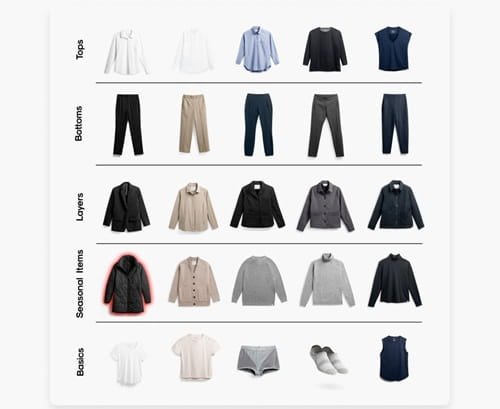
What Is a Capsule Wardrobe?
A capsule wardrobe is a carefully selected collection of clothing designed to mix and match easily.
Instead of buying random trendy pieces constantly, you focus on:
- Versatile basics
- Timeless colors
- Rewearable outfits
- Quality over quantity
The idea became popular because modern fashion consumption became extremely excessive through fast fashion and social media trend culture.
A capsule wardrobe pushes back against constant unnecessary buying.
Why People Keep Buying Clothes They Barely Wear
Modern shopping habits are heavily emotional.
People often buy clothes because of:
- Sales pressure
- Social media influence
- Trend anxiety
- Boredom
- Instant dopamine
- Aspirational identity
Many purchases are not based on actual lifestyle needs.
That is why wardrobes fill with clothes that look exciting online but rarely fit daily life properly.
The Biggest Myth About Capsule Wardrobes
Many beginners assume capsule wardrobes must look boring.
That is not true.
A capsule wardrobe does not mean:
- Only black and white clothes
- Minimalist fashion only
- Owning extremely few items
- Never shopping again
It simply means your clothes are intentional instead of chaotic.
You can still include:
- Color
- Streetwear
- Ethnic wear
- Accessories
- Personal style preferences
The difference is that every piece serves a purpose.
Step 1: Understand Your Real Lifestyle First
This is where most people fail.
They build wardrobes for fantasy lifestyles instead of real daily routines.
Ask yourself honestly:
- What do I actually wear weekly?
- What environments am I usually in?
- What clothes make me comfortable?
- Which outfits do I repeatedly reach for?
For example:
- Office workers need different wardrobes than students
- Remote workers dress differently than corporate employees
- Hot climates need different fabrics than colder regions
Your wardrobe should match your actual life, not influencer aesthetics.
Step 2: Build Around Versatile Basics
Capsule wardrobes work because basics combine easily.
Useful essentials often include:
Tops
- Plain T-shirts
- Solid shirts
- Neutral kurtas
- Basic sweaters
Bottoms
- Jeans
- Black trousers
- Straight pants
- Neutral chinos
Outerwear
- Denim jackets
- Overshirts
- Simple hoodies
- Lightweight layers
These pieces work repeatedly without feeling overly noticeable.
Why Neutral Colors Help
Neutral tones combine more easily.
Useful base colors include:
- Black
- White
- Grey
- Beige
- Navy
- Olive
- Brown
This does not mean avoiding color entirely.
It simply creates easier outfit combinations.
For example, one neutral trouser can work with many different tops instead of matching only one specific outfit.
Step 3: Stop Buying “One-Time Wear” Clothes
This is one of the biggest causes of wardrobe clutter.
People buy outfits for:
- One event
- One trend
- One vacation
- One social media photo
Then the clothes sit unused afterward.
Before buying something, ask:
- Can I style this multiple ways?
- Will I wear it regularly?
- Does it match existing clothes?
If the answer is mostly no, it may not belong in a capsule wardrobe.
Step 4: Focus on Fabric Quality
Buying fewer clothes means quality matters more.
Cheap fabrics often:
- Lose shape quickly
- Fade fast
- Feel uncomfortable
- Require faster replacement
Better-quality basics survive repeated wear more successfully.
This usually saves money long-term despite slightly higher initial cost.
Step 5: Create “Uniform” Outfit Combinations
Many stylish people repeat similar outfit formulas constantly.
Examples:
- Oversized tee + straight jeans
- White shirt + black trousers
- Kurta + neutral pants
- Hoodie + cargos
This reduces daily decision fatigue significantly.
Capsule wardrobes become easier once you identify combinations that consistently work for your body type and lifestyle.
Step 6: Learn to Repeat Clothes Confidently
This is psychologically important.
Social media created unrealistic pressure around outfit repetition.
But in reality:
- Most people do not remember your clothes daily
- Stylish dressing often involves repeating strong basics
- Rewearing is normal
People with strong personal style usually repeat signature pieces regularly.
Confidence matters more than endless variety.
Step 7: Shop Slower
Fast fashion encourages impulsive buying.
Capsule wardrobes work better with delayed purchasing decisions.
Before buying clothes:
- Wait 24–48 hours
- Recheck whether you still want it
- Think about styling combinations
- Consider fabric and longevity
Slower shopping reduces emotional purchases dramatically.
Why Capsule Wardrobes Save Mental Energy
Many people underestimate decision fatigue.
Too many clothing choices every morning create low-level stress.
Simplified wardrobes reduce:
- Outfit confusion
- Closet clutter
- Shopping pressure
- Fashion anxiety
Getting dressed becomes faster and calmer.
Capsule Wardrobes Work Especially Well in India
Indian climates and lifestyles actually support capsule dressing well.
Practical wardrobe staples include:
- Cotton shirts
- Linen pieces
- Neutral kurtas
- Breathable trousers
- Simple sneakers or sandals
Since much of India experiences warm weather, lighter repeatable basics become highly practical.
What About Fashion Lovers?
Capsule wardrobes are not anti-fashion.
You can still enjoy:
- Statement jackets
- Accessories
- Ethnic wear
- Trend pieces occasionally
The difference is intentional balance.
Instead of buying constantly, you curate carefully.
Common Capsule Wardrobe Mistakes
Throwing Away Everything Immediately
Start gradually instead.
Sudden extreme minimalism often backfires.
Buying Only Minimalist Instagram Fashion
Your wardrobe should reflect your own personality and lifestyle.
Ignoring Comfort
Stylish clothes that feel uncomfortable rarely get worn consistently.
Keeping “Someday” Clothes Forever
Clothes tied to unrealistic future identities often create clutter.
How Many Clothes Should a Capsule Wardrobe Have?
There is no perfect number.
Some people prefer:
- 25–40 pieces
- Seasonal wardrobes
- Compact wardrobes
- Moderate wardrobes
The real measure is usefulness, not strict item counts.
Sustainability and Capsule Wardrobes
Capsule wardrobes naturally reduce:
- Fast fashion waste
- Impulse buying
- Textile overconsumption
Buying fewer better-quality clothes usually lowers environmental impact over time.
That is why capsule wardrobes overlap heavily with sustainable living.
Final Thoughts
A capsule wardrobe is not really about owning less for the sake of minimalism. It is about owning clothes that genuinely work for your life instead of constantly chasing trends, sales, and unnecessary variety.
Most people do not need more clothes.
They need fewer clothes that fit better, match better, last longer, and feel more natural to wear repeatedly.
And honestly, once shopping becomes less impulsive, personal style often becomes much clearer too.
Because real style is usually not built through constant buying.
It is built through consistency.
FAQs
Q. What is a capsule wardrobe?
A capsule wardrobe is a smaller collection of versatile clothes that mix and match easily for everyday use.
Q. How many clothes should a capsule wardrobe have?
There is no fixed number. The focus is usefulness and versatility rather than strict limits.
Q. Are capsule wardrobes only minimalist?
No. Capsule wardrobes can still include colors, accessories, ethnic wear, and personal fashion preferences.
Q. Do capsule wardrobes save money?
Yes. Buying fewer better-quality clothes often reduces unnecessary spending long-term.
Q. Can capsule wardrobes work in India?
Absolutely. Lightweight basics, breathable fabrics, and versatile staples work very well in Indian climates.
Q. Why do people repeat clothes more in capsule wardrobes?
Because versatile pieces are intentionally chosen to be rewearable across multiple outfits and occasions.