Sunday evenings feel strange for many people.
The weekend starts disappearing, notifications slowly return, unfinished tasks come back to mind, and suddenly even relaxing feels stressful. Some people become irritated. Others feel restless, anxious, or mentally exhausted before Monday even begins.
This feeling has a name now: “Sunday scaries.”
It describes the wave of stress, dread, or anxiety many people feel before returning to work, college, or routine responsibilities after time off.
The problem is far more common today because modern work rarely truly stops. Phones, emails, group chats, and constant online availability blur the line between personal time and work time. As a result, many people never feel fully mentally disconnected from work at all.
The good news is that Sunday anxiety is manageable once you understand what actually causes it.
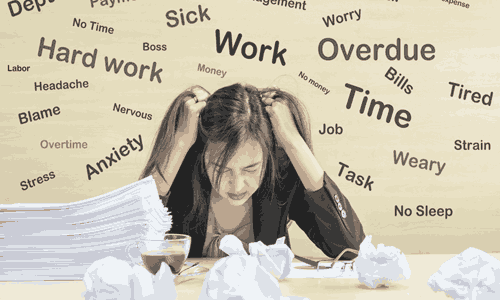
What Are Sunday Scaries?
Sunday scaries are the anxious feelings people experience before the workweek begins.
Common symptoms include:
- Restlessness
- Irritability
- Overthinking
- Trouble sleeping
- Feeling mentally heavy
- Sudden stress Sunday evening
- Dreading Monday morning
For some people it feels mild. For others it becomes intense enough to affect sleep, appetite, or mood.
Psychologists often connect this feeling to anticipatory anxiety — the stress created by thinking about future pressure before it even happens.
Why Sunday Anxiety Feels Worse Today
Modern work culture changed how people experience weekends.
Many employees now remain connected through:
- Emails
- WhatsApp groups
- Slack messages
- Work calls
- Notifications
- Remote work systems
This creates “always-on” mental pressure.
Even when work officially ends, the brain often stays partially alert.
Research around workplace stress suggests lack of psychological detachment from work increases burnout and anxiety levels over time.
The Real Causes Behind Sunday Scaries
Sunday anxiety usually comes from multiple factors combined together.
1. Overloaded Work Stress
Sometimes the problem is simple.
People dread Monday because their workload genuinely feels overwhelming.
Possible triggers include:
- Unrealistic deadlines
- Toxic work culture
- Difficult bosses
- Constant meetings
- Job insecurity
- Burnout
In these cases, Sunday anxiety becomes a warning signal rather than laziness.
2. Weekend Recovery Is Too Short
Many people spend weekends trying to recover from weekday exhaustion instead of actually enjoying themselves.
Then Sunday arrives and the brain realizes recovery already ended.
This creates emotional whiplash between freedom and pressure.
3. Unfinished Tasks Stay Mentally Open
The brain dislikes unresolved responsibilities.
If people leave work unfinished Friday evening, their mind often keeps replaying those pending tasks throughout Sunday.
This creates low-level anxiety even during relaxation.
4. Sleep Disruption
Weekend sleep schedules often become chaotic.
People stay awake late Saturday, sleep irregularly Sunday, then struggle Sunday night because the body clock shifts suddenly.
Poor sleep strongly increases anxiety sensitivity.
5. Fear of Losing Freedom Again
Weekends give temporary control over time.
Monday removes much of that freedom again.
For people unhappy with work routines, this transition can feel emotionally heavy.
The Biggest Mistake: Trying to “Ignore” Anxiety
Many people try distracting themselves endlessly Sunday evening through:
- Social media
- Netflix
- Gaming
- Doomscrolling
- Alcohol
- Oversleeping
Temporary distraction may help briefly, but underlying stress usually returns stronger later at night.
Managing Sunday scaries works better through preparation and emotional regulation rather than pure avoidance.
How to Reduce Sunday Scaries Realistically
1. Stop Treating Sunday Like “Pre-Monday”
This matters more than people realize.
Many people mentally end their weekend by Sunday afternoon.
That automatically turns the day into anxiety preparation time.
Try protecting part of Sunday for genuinely enjoyable activities instead of mentally rehearsing work stress all evening.
2. Create a Soft Monday Plan
A chaotic Monday morning increases anxiety before Monday even starts.
Sunday evening becomes calmer when Monday feels organized.
Helpful habits include:
- Choosing clothes early
- Preparing lunch or meals
- Cleaning workspace
- Writing a small task list
- Setting realistic priorities
The brain relaxes when uncertainty decreases.
3. Avoid Late-Night Work Checking
WhatsApp notifications, emails, and workplace messages late Sunday night often intensify anxiety immediately.
Try creating a cutoff time.
Even one or two hours without work-related checking before sleep helps mental decompression.
4. Reduce Doomscrolling
Sunday night scrolling is usually not relaxing.
It often overloads the brain with:
- Negative news
- Comparison
- Productivity guilt
- Career anxiety
Endless scrolling also overstimulates the nervous system before sleep.
5. Use “Brain Dump” Writing
If thoughts feel repetitive, write them down.
A simple notebook list helps externalize mental clutter.
Write:
- Pending tasks
- Worries
- Reminders
- Priorities
This reduces the brain’s need to constantly rehearse them mentally.
6. Fix Your Sunday Sleep Schedule
One of the strongest ways to reduce Monday anxiety is surprisingly simple:
Sleep properly.
Research consistently links poor sleep with increased emotional stress and anxiety sensitivity. (sleepfoundation.org)
Helpful habits include:
- Less caffeine late evening
- Reduced screen time before sleep
- Consistent bedtime
- Lower room stimulation
7. Build Better Weekday Recovery
Sometimes Sunday scaries happen because weekdays are emotionally unsustainable.
Small weekday recovery habits matter:
- Exercise
- Proper meals
- Short breaks
- Offline time
- Social connection
- Boundaries after work
If the entire week feels exhausting, weekends alone cannot fully repair it.
When Sunday Scaries Signal Something Bigger
Occasional Sunday anxiety is common.
But if symptoms become severe regularly, it may indicate:
- Burnout
- Chronic stress
- Workplace toxicity
- Anxiety disorders
- Depression
- Career dissatisfaction
Warning signs include:
- Panic symptoms
- Frequent crying
- Constant dread
- Physical illness before work
- Sleep collapse
- Emotional numbness
In such cases, mental health support may help significantly.
Why Work Anxiety Feels So Personal
Work affects more than income.
It influences:
- Identity
- Self-worth
- Routine
- Financial security
- Social life
- Future plans
That is why workplace stress often spills into weekends emotionally.
Humans struggle to relax fully when they feel trapped, overwhelmed, or constantly evaluated.
Small Rituals That Actually Help
Many people benefit from calming Sunday evening rituals like:
- Tea or coffee without screens
- Short walks
- Music
- Stretching
- Reading
- Cooking
- Journaling
- Talking to family or friends
The goal is slowing the nervous system gradually instead of shocking it from weekend freedom into work panic.
Final Thoughts
Sunday scaries are not just about “hating Mondays.” They are usually a mix of stress, unfinished mental tension, overstimulation, poor boundaries, and fear of losing personal freedom again.
Modern work culture makes this worse because many people never fully disconnect mentally anymore.
The solution is not pretending anxiety does not exist. It is creating healthier routines, clearer boundaries, better recovery habits, and less mental overload before the week begins.
And honestly, reducing Sunday anxiety often starts with one simple realization:
Your weekend should not feel like a countdown to stress.
It should still feel partly like your life.
FAQs
Q. What are Sunday scaries?
Sunday scaries are feelings of anxiety, stress, or dread that happen before the workweek begins.
Q. Why do I feel anxious every Sunday night?
Common causes include work stress, unfinished tasks, burnout, poor sleep, and fear of Monday pressure.
Q. Are Sunday scaries normal?
Occasional Sunday anxiety is common, but severe or constant dread may signal deeper stress or burnout.
Q. How can I calm work anxiety before Monday?
Planning ahead, improving sleep, reducing screen overload, and avoiding late-night work checking can help.
Q. Can social media worsen Sunday anxiety?
Yes. Doomscrolling and comparison-based content can increase stress and overstimulation.
Q. When should I seek help for work anxiety?
If anxiety becomes intense, affects sleep or health regularly, or causes panic and emotional distress, professional mental health support may help.