Every Indian household has food rules that get repeated so often they start sounding like scientific facts.
“Don’t eat curd at night.”
“Fish and milk together are dangerous.”
“Papaya causes heat in the body.”
“Cold water after chai ruins digestion.”
Many of these beliefs come from traditional habits, seasonal wisdom, or cultural practices passed through generations. Some have partial logic behind them. Others are exaggerated over time.
The problem begins when myths are treated like unquestionable medical truth.
Modern nutrition science does not fully support many popular food fears still common across Indian homes.
Here are five famous desi food myths — and what science actually says about them.
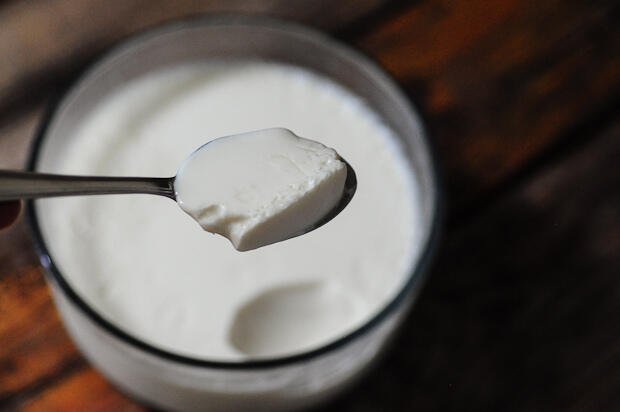
Myth 1: Eating Curd at Night Causes Cold and Cough
This is probably one of the most common food warnings in Indian households.
Many people believe eating curd at night increases mucus and causes:
- Cold
- Throat infection
- Cough
- Congestion
But scientific evidence directly linking curd consumption at night to catching a cold is very weak.
A cold is caused by viruses, not by curd itself.
Curd is actually a fermented food rich in probiotics that may support gut health.
So why do some people feel discomfort?
Possible reasons include:
- Cold curd from the refrigerator irritating sensitive throats
- Existing sinus issues
- Lactose sensitivity
- Seasonal allergies
In Ayurveda, curd at night is sometimes discouraged because it is considered “heavy” for digestion in certain body types or climates. But that is different from saying it directly causes viral illness.
For most healthy people, moderate curd consumption at night is generally fine.
Myth 2: Fish and Milk Together Cause Skin Disease
This myth has existed for generations.
Many people fear combining fish and milk can cause:
- White patches
- Skin discoloration
- Vitiligo
Modern medicine does not support this claim.
Vitiligo is an autoimmune condition related to loss of skin pigment cells, not a reaction between fish and dairy.
Fish and milk simply contain different proteins and nutrients. There is no strong scientific evidence showing that eating them together causes skin disease.
However, some individuals may experience digestive discomfort from heavy combinations depending on tolerance levels.
But the famous “white patches” warning is largely a myth.
Myth 3: Papaya Causes Miscarriage
Pregnant women in India are often told to avoid papaya completely.
This belief comes partly from the fact that raw or semi-ripe papaya contains latex compounds that may stimulate uterine contractions in very large amounts.
But ripe papaya is very different.
Fully ripe papaya contains:
- Fiber
- Vitamin C
- Antioxidants
Most experts say moderate consumption of ripe papaya is generally considered safe during pregnancy. (healthline.com)
The fear became generalized over time, leading many families to ban all papaya entirely.
Myth 4: Drinking Water Immediately After Meals Ruins Digestion
Many Indian families believe water after meals:
- Dilutes digestive juices
- Slows digestion
- Causes bloating
Scientific evidence does not strongly support this idea.
Water actually helps digestion in several ways, including helping move food through the digestive tract.
Extremely excessive water intake during meals may make some people feel temporarily heavy, but normal drinking is not harmful for digestion.
In fact, mild hydration often supports digestion better than dehydration.
Myth 5: Mangoes and Watermelon Together Are Dangerous
Fruit-combination fears are common in Indian households.
Many people are warned not to combine:
- Mango and watermelon
- Milk and citrus
- Banana and curd
Most of these warnings have very little scientific backing.
Healthy digestive systems can generally process mixed fruits without serious problems.
Some combinations may feel uncomfortable for certain individuals because of:
- Acidity
- Sugar load
- Personal digestive sensitivity
But the idea that common fruit combinations become “toxic” is mostly exaggerated.
Why Do These Food Myths Survive So Strongly?
There are several reasons.
Traditional Seasonal Logic
Some food rules were originally designed around climate and digestion patterns.
For example:
- Heavy curd during cold winters
- Fried foods during humid weather
Over time, practical advice became strict “medical facts.”
Personal Experiences Become General Rules
If one person felt bloated after eating curd at night, the entire family may start believing curd is harmful at night for everyone.
Ayurveda and Modern Science Are Different Systems
Ayurveda often classifies foods using concepts like:
- Heat
- Cooling
- Dosha balance
- Digestive heaviness
These frameworks are different from modern biomedical science.
Sometimes both systems overlap partially. Sometimes they do not.
Some Desi Food Wisdom Is Actually Useful
Not every traditional belief is wrong.
Many Indian food habits are surprisingly practical:
- Turmeric in milk
- Fermented foods
- Seasonal eating
- Ginger for nausea
- Fasting moderation
- Fresh home cooking
The issue is not tradition itself.
The issue is blindly treating every old belief as proven scientific fact.
When Food Myths Become Harmful
Some myths can create unnecessary fear or poor nutrition.
Examples include:
- Avoiding nutritious foods during pregnancy
- Restricting children’s diets
- Fear of dairy or fruits without medical reason
- Overusing “hot” and “cold” food classifications
Nutrition should ideally be based on:
- Evidence
- Personal tolerance
- Medical advice
- Balanced eating habits
not internet rumors or family panic.
Final Thoughts
Food myths survive because they mix culture, tradition, personal experience, and partial truths together. That is why they feel believable.
Eating curd at night will not automatically give you a cold. Fish and milk together are unlikely to cause skin disease. Most fruit combinations are not secretly poisonous.
At the same time, individual digestion and body responses do matter. Some people genuinely feel better avoiding certain foods at specific times.
The smartest approach is balance:
Respect traditional wisdom where it makes sense, but verify claims before turning them into lifelong fears.
Because sometimes the biggest thing spoiling Indian food is not the food itself — it is misinformation around it.
FAQs
Q. Does eating curd at night cause cold?
There is no strong scientific evidence proving curd causes viral cold or cough directly.
Q. Is fish and milk combination dangerous?
Modern medicine does not support the claim that fish and milk together cause skin diseases like vitiligo.
Q. Can pregnant women eat papaya?
Fully ripe papaya is generally considered safe in moderation, though raw papaya is usually avoided during pregnancy.
Q. Does drinking water after meals harm digestion?
Normal water intake after meals is generally safe and may actually help digestion.
Q. Are fruit combinations harmful?
Most common fruit combinations are safe for healthy individuals unless someone has specific digestive sensitivities.
Q. Why are food myths so common in India?
Many come from traditional practices, seasonal eating habits, personal experiences, and cultural beliefs passed across generations.
FAQs
Q. Does eating curd at night cause cold?
There is no strong scientific evidence proving curd causes viral cold or cough directly.
Q. Is fish and milk combination dangerous?
Modern medicine does not support the claim that fish and milk together cause skin diseases like vitiligo.
Q. Can pregnant women eat papaya?
Fully ripe papaya is generally considered safe in moderation, though raw papaya is usually avoided during pregnancy.
Q. Does drinking water after meals harm digestion?
Normal water intake after meals is generally safe and may actually help digestion.
Q. Are fruit combinations harmful?
Most common fruit combinations are safe for healthy individuals unless someone has specific digestive sensitivities.
Q. Why are food myths so common in India?
Many come from traditional practices, seasonal eating habits, personal experiences, and cultural beliefs passed across generations.