There is a good chance you have almond oil sitting somewhere in your kitchen right now, and it feels strange to think the same ingredient shows up in skincare bottles, too. But that overlap is not a coincidence. Almond oil has been used on skin for a long time, well before it became a listed ingredient on a cream label, and the reason it stuck around has less to do with trends and more to do with how it actually behaves on the skin.
At a basic level, almond oil is what dermatologists call an emollient, which means it helps soften and smooth the skin’s surface. Picture skin that feels rough or tight after a long day in dry weather, almost like a slightly cracked riverbed. An emollient works by filling in those tiny gaps and rough patches, so the surface feels smoother almost right away. Almond oil does this well because it carries a mix of fatty acids, mainly oleic and linoleic acid, along with a decent amount of vitamin E. That last part matters more than people realise. Vitamin E acts as an antioxidant, helping the skin deal with everyday stress from the sun, pollution, and general wear.
Why Almond Oil Shows Up in Moisturisers Specifically
Dry skin is not just about a lack of water; it is often about a weakened barrier, the outer layer that normally keeps moisture in and irritants out. When that barrier is compromised, water escapes faster than it should, and skin starts to feel tight, flaky, or plain uncomfortable. Almond oil helps here in two ways at once. It smooths the surface directly and supports the skin barrier, since the fatty acids it contains are similar to the lipids the skin naturally produces. That second part is the quieter benefit; people notice the softness right away, but rarely think about the barrier support happening underneath.
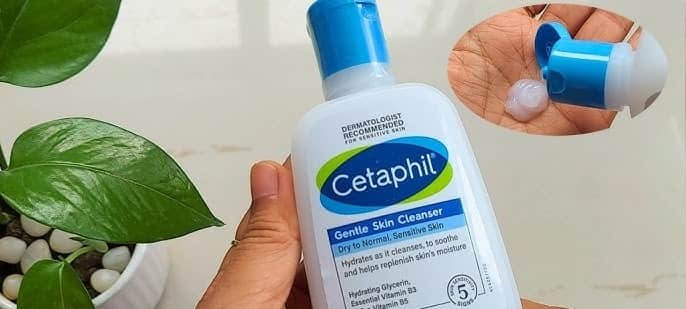
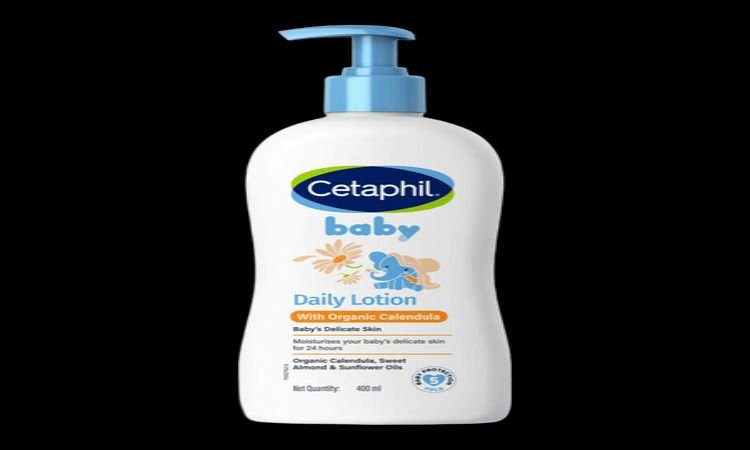
This is part of why almond oil skincare tends to appear in formulas built for sensitive or very dry skin rather than in lightweight, oil-free products meant for oily skin types. It is not that almond oil cannot work for other skin types; it can, but its strengths align most naturally with skin that needs extra support in holding onto moisture. Cetaphil includes sweet almond oil in select formulations, including its Moisturising Cream, where it works alongside ingredients like niacinamide and glycerin to support hydration for sensitive skin. That combination is a fairly common approach in dermatologist-developed products, pairing an oil-based emollient with water-based humectants so the formula covers more than one job at once.
A Small Distinction Worth Knowing
People sometimes assume that almond oil skincare products and pure almond oil bought in the kitchen aisle do the same thing. Technically, the base ingredient is similar, but formulation matters a lot here. A cream built around almond oil usually balances it with other ingredients so it absorbs properly and does not sit heavy on the skin, while raw oil applied alone can feel greasy or take a while to sink in, especially in humid weather. If you want to understand how skin barrier support actually works at a formulation level, it helps to look at how oils get paired with humectants and occlusives rather than judging one ingredient in isolation.
One more thing worth mentioning, almond skin products are generally well tolerated, but anyone with a tree nut allergy should be careful and check with a dermatologist before trying something new, since almond oil is derived directly from the nut itself, even though the proteins that usually cause allergic reactions are mostly removed during processing.