Wooden doors, window frames and furniture need a coating suited to their use and surroundings. Most of the time, there are fingerprint marks and scuffs on these doors because of repeated use. Also, an exterior frame faces sunlight, rain and temperature changes. Furniture has separate demands when it holds books, dishes or objects that can scratch the finish. Choosing paint by colour alone may lead to peeling, brush marks or early wear.
Before buying wood paints, there are several factors like the timber’s condition, the existing finish and the product’s intended use that play a significant role. Check out this blog, as we discuss the most important aspects of wood paint.
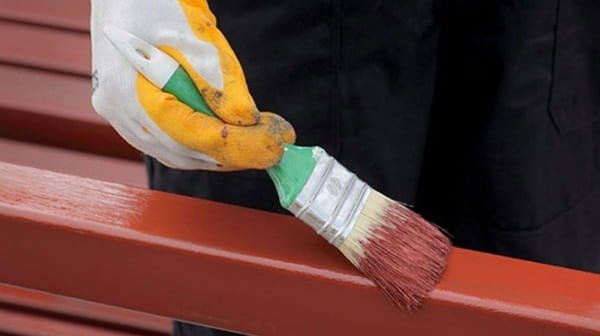
Choose a Paint Type for the Job
Water-based acrylic paints usually have lower odour, dry relatively quickly and clean up with water. Oil-based enamel can form a hard and smooth film. However, they usually take longer to dry and require the proper solvent for cleaning. Special polyurethane (PU) paints are available for creating long-lasting finishes for furniture. But different types require varying conditions for application.
Choose paint labelled for wood and the intended setting. Check the recommended primer, recoat interval, coverage and curing time. Use interior furniture paint on a window frame only if the label allows exterior use.
Select a Finish for Doors, Frames and Furniture
Gloss reflects light and is generally easy to wipe clean, but it can reveal dents and uneven sanding. Satin and semi-gloss provide a softer sheen and suit frequently handled surfaces. Matte coating is not reflective. But removing the marks will depend on the composition of the coating.
- Doors– Choose a coating that tolerates hand marks, knocks and routine cleaning. Pay attention to panel edges and the area around handles.
- Window frames– Select exterior paint that can withstand sun exposure and moisture. Drainage holes and movable joints should be left free of paint.
- Furniture– Match the coating to the item’s use. A display cabinet faces less wear than a dining table or chair used every day.
Prepare the Wood Properly
A durable finish needs a clean and sound surface. Remove grease, polish and dust with a suitable cleaner, then let the timber dry. Sand glossy paint or varnish, then remove loose coating and smooth its edges. Fill holes with wood filler and sand the repairs once dry.
Check the wood for any weak spots, mould growth, bloated sections or loose joints. These will need to be fixed before painting because a fresh coat of paint cannot fix damaged wood or keep moisture out of it. Safety measures should be taken when removing old paint if there is uncertainty about its age and nature.
Check Whether Primer Is Required
Primer helps paint stick and limits uneven absorption. Bare wood, repairs and stained surfaces may need a suitable primer. Certain timber can release oils or tannins that discolour the finish, so a stain-blocking product may be necessary. Sound, previously painted wood may need only cleaning and sanding if the new coating is compatible.
Select the right primer for the wood and paint systems. Apply it evenly and allow it to dry according to the suggested time frame. Not applying the required primer will lead to uneven colouring and staining.
Apply Thin Coats in Suitable Weather
Stir the paint thoroughly and apply using a brush or roller recommended by the manufacturer. Do this in small sections and follow the grain where practical. Thin and even coats are less likely to sag or leave ridges than heavy layers.
For exterior frames, avoid rain, damp timber, intense direct sun and surfaces that are too hot. High humidity or low temperatures can extend drying time. Protect hinges, handles, glass and floors, and prevent freshly painted door edges from sticking to the frame.
Avoid Common Errors
A few mistakes can shorten the life of the finish. Some of them are-
- Painting over wax, dust, moisture or peeling layers.
- Using interior paint outdoors without checking the label.
- Applying another coat too soon or laying the paint on too thickly.
- Using furniture before the finish has cured.
When to Hire a Professional
Intricate mouldings, badly damaged frames and extensive peeling can need specialist preparation. A wall painter may know broad interior surfaces well, while timber work requires attention to grain, joints, edges and old coatings. Ask the contractor about experience with wooden doors, frames or furniture and which primer and paint system will be used.
A written estimate should specify repairs, sanding, the number of coats and the drying time allowed between stages. This makes the scope of work clearer and helps prevent rushed application.
Conclusion
A reliable wood finish depends on selecting paint for the surface, preparing the timber and following the product instructions. Doors need resistance to handling, window frames require protection from outdoor exposure, and furniture needs a coating suited to its use.
Perform a test of primer compatibility, allow sufficient time for drying and curing, and fix any damaged part of the wood prior to painting. This ensures that painting will be done evenly and will stay fresh for years to come.