Many people want indoor plants until they realize one problem: their home barely gets sunlight.
This is especially common in apartments, office rooms, hostel spaces, and urban homes where direct sunlight reaches only small corners for a few hours. After buying a beautiful plant, beginners often watch it slowly turn yellow, weak, and lifeless within weeks.
That usually happens because the wrong plant was chosen.
Not all indoor plants need bright sunlight. Some species naturally survive under forest canopies and adapt surprisingly well to dim indoor environments. These plants can handle indirect light, occasional neglect, and inconsistent watering far better than delicate decorative varieties.
That is why low-light indoor plants are perfect for beginners.
The best part is that many of them are also low maintenance, visually attractive, and suitable for Indian weather conditions.
Here are five of the best indoor plants that survive low light and still look healthy with minimal effort.
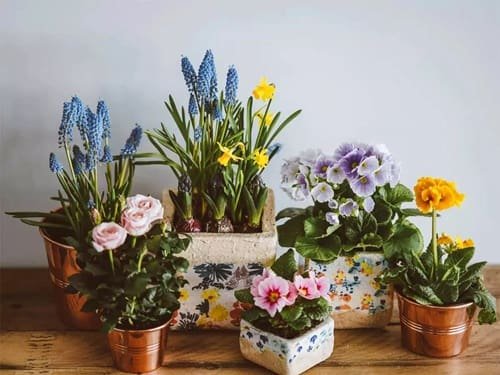
1. Snake Plant
Snake Plant
The snake plant is probably one of the hardest indoor plants to kill.
That is exactly why it became so popular worldwide.
Its upright sword-shaped leaves look modern and clean, making it suitable for:
- Bedrooms
- Offices
- Study tables
- Living rooms
- Small apartments
The biggest advantage is adaptability. Snake plants tolerate low light extremely well and can survive even if you occasionally forget watering.
Why It Works Well Indoors
- Handles dim corners
- Needs very little water
- Grows slowly indoors
- Survives dry conditions
- Suitable for Indian climates
Care Tips
- Water only when soil feels dry
- Avoid overwatering
- Keep near indirect light if possible
- Use well-draining soil
Too much water is actually more dangerous than too little for this plant.
2. Money Plant
Money Plant
The money plant is one of the most common indoor plants in Indian homes.
Many people grow it in:
- Water bottles
- Glass jars
- Balcony pots
- Hanging baskets
It survives low light surprisingly well and grows fast under decent conditions.
Its trailing vines also make rooms feel fresher and more decorative without much maintenance.
Why Beginners Love It
- Extremely easy to grow
- Low maintenance
- Works in water or soil
- Fast-growing
- Looks attractive quickly
Care Tips
- Change water regularly if growing hydroponically
- Trim vines occasionally
- Avoid harsh direct afternoon sunlight
- Clean dusty leaves sometimes
Although it survives low light, moderate indirect light helps it grow fuller and greener.
3. ZZ Plant
ZZ Plant
The ZZ plant almost looks artificial because of its glossy dark green leaves.
This plant became hugely popular in modern interior design because it tolerates:
- Low light
- Air-conditioned rooms
- Irregular watering
- Indoor office conditions
It is one of the best choices for people who travel frequently or forget plant care routines.
Why It Survives So Well
ZZ plants store water inside thick underground rhizomes, helping them survive dry periods easily.
This makes them very forgiving for beginners.
Care Tips
- Water sparingly
- Keep away from constant direct sun
- Avoid waterlogged soil
- Wipe leaves occasionally for shine
Overwatering remains the biggest risk.
4. Peace Lily
Peace Lily
If you want a flowering indoor plant for low-light spaces, the peace lily is one of the best options.
Its dark leaves and white flowers create an elegant indoor look.
Peace lilies are especially popular in:
- Living rooms
- Hotel interiors
- Office spaces
They also visually “communicate” thirst well because the leaves droop noticeably when water is needed.
Why People Like It
- Beautiful white blooms
- Good indoor adaptability
- Compact appearance
- Works well in low light
Care Tips
- Keep soil slightly moist
- Avoid intense sunlight
- Mist occasionally in dry weather
- Remove dead flowers regularly
Peace lilies generally prefer humidity slightly more than snake plants or ZZ plants.
5. Spider Plant
Spider Plant
Spider plants are excellent beginner-friendly indoor plants.
Their long striped leaves spread outward beautifully, especially in hanging pots.
They tolerate low light reasonably well and also reproduce easily through baby offshoots called “pups.”
Why It Is Great for Homes
- Fast-growing
- Visually fresh and airy
- Easy propagation
- Low maintenance
- Beginner-friendly
Care Tips
- Water moderately
- Keep in indirect light
- Trim dry leaf tips
- Avoid very soggy soil
Spider plants usually adapt quickly to indoor environments.
What “Low Light” Actually Means
Many people misunderstand this term.
Low light does not mean “complete darkness.”
Even low-light plants need some ambient natural brightness from:
- Windows
- Balconies
- Reflected daylight
- Nearby open spaces
No indoor plant survives permanently in completely dark rooms without artificial grow lights.
The Biggest Mistake: Overwatering
This is how most indoor plants die.
People assume weak-looking plants need more water. But low-light conditions already slow down evaporation and growth.
Extra water often causes:
- Root rot
- Fungus
- Yellow leaves
- Bad smell
- Plant death
For most indoor plants, slightly underwatering is safer than overwatering.
Best Places to Keep Low-Light Plants
Good indoor spots include:
- Study tables
- TV units
- Office desks
- Bathroom windows
- Bedroom corners
- Hallway shelves
Rotate plants occasionally if one side starts leaning toward light.
Can Indoor Plants Purify Air?
This topic became extremely popular after old NASA-related plant studies. However, recent experts say indoor plants alone are unlikely to dramatically purify household air unless used in extremely large numbers.
Still, plants may improve indoor environments psychologically by making spaces feel calmer and fresher.
How Often Should You Water Indoor Plants?
There is no universal schedule.
Water depends on:
- Pot size
- Humidity
- Season
- Soil type
- Indoor temperature
Instead of fixed schedules, check soil dryness first.
That prevents most beginner mistakes.
Why Indoor Plants Improve Mental Comfort
People often underestimate how calming greenery feels indoors.
Indoor plants may help create:
- Reduced visual stress
- More relaxing spaces
- Better work environments
- Softer room aesthetics
This is one reason plant culture exploded during work-from-home years.
Final Thoughts
Low-light indoor plants are perfect for modern homes because they combine beauty with practicality. You do not need a large balcony or bright terrace garden to keep greenery indoors successfully.
The key is choosing plants that naturally tolerate indirect light and require minimal maintenance.
Snake plants, money plants, ZZ plants, peace lilies, and spider plants all survive far better in typical indoor Indian conditions than delicate decorative species.
And honestly, once a few healthy plants settle into a room, the entire space starts feeling more alive. That is probably why indoor gardening becomes addictive so quickly.
FAQs
Q. Which indoor plant survives the lowest light?
ZZ Plant and Snake Plant are among the best low-light survivors.
Q. Do low-light plants need sunlight?
Yes, but indirect natural light is usually enough. Complete darkness is unhealthy for all plants.
Q. Which indoor plant is easiest for beginners?
Money Plant and Snake Plant are extremely beginner-friendly.
Q. Why are my indoor plant leaves turning yellow?
Overwatering is one of the most common reasons for yellow leaves.
Q. Can indoor plants survive in AC rooms?
Yes. Plants like ZZ Plant adapt well to air-conditioned indoor environments.
Q. How often should indoor plants be watered?
Water only when the soil begins drying out instead of following strict daily schedules.