Working from home sounded exciting at first for many people. No daily commute, more flexibility, and the comfort of home felt like a major upgrade. But after a while, reality became obvious. Working from a bed, dining table, or random corner of the house quickly turns uncomfortable and distracting.
That is why a proper home office setup matters.
The good news is that creating a productive workspace does not require expensive furniture, luxury gaming chairs, or trendy social-media-style desk setups. Many people assume they need huge budgets to build an efficient work area, but small affordable changes often improve comfort and focus far more than flashy gadgets.
A good home office is really about three things:
- Comfort
- Organization
- Reduced distraction
Even a tiny apartment corner can become an effective workspace if planned properly.
Here are five practical and budget-friendly home office setup ideas that work well for students, remote workers, freelancers, and creators.
1. Create a “Dedicated Corner” Instead of Working Everywhere
The biggest mistake people make while working from home is constantly changing work locations.
One hour on the bed.
Another on the sofa.
Then the dining table.
This confuses the brain because the mind never fully associates one place with focused work.
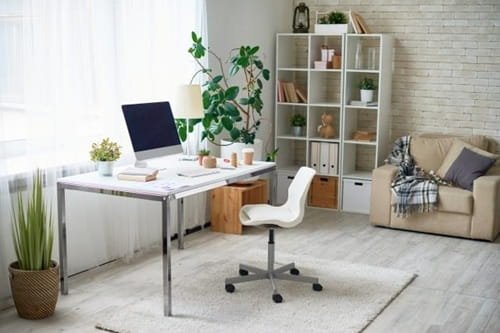
You do not need a separate office room. Even a small dedicated corner works surprisingly well.
A simple setup may include:
- Small table
- Basic chair
- Charging point access
- Notebook storage
- Good lighting
The psychological effect matters more than expensive décor.
Once the brain starts connecting that spot with work mode, concentration often improves naturally.
Budget Tip
Instead of buying costly office desks, many people use:
- Study tables
- Foldable tables
- Wall-mounted desks
- Old dining tables
Repurposing existing furniture saves a lot of money.
2. Prioritize Chair Comfort Before Fancy Accessories
Many people spend money on:
- LED lights
- Decorative shelves
- Desk mats
- Aesthetic gadgets
while sitting on painful plastic chairs for eight hours daily.
That makes no sense.
Your chair affects:
- Back pain
- Neck strain
- Productivity
- Energy levels
- Posture
You do not necessarily need an expensive ergonomic chair. But basic support matters.
What to Look For in a Budget Chair
A decent chair should ideally provide:
- Lower back support
- Stable seating height
- Comfortable cushioning
- Upright posture support
If a new chair is too expensive, even small upgrades help.
Examples:
- Add lumbar cushions
- Use folded towels for back support
- Add seat padding
- Adjust screen height properly
Posture improvements matter more than aesthetics.
3. Improve Lighting Without Expensive Renovation
Poor lighting quietly destroys productivity.
Dim rooms increase:
- Eye strain
- Fatigue
- Sleepiness
- Headaches
Natural light is ideal whenever possible.
If you can, place the desk near:
- Windows
- Balconies
- Open ventilation areas
Daylight improves mood and reduces the “trapped indoors” feeling many remote workers experience.
Affordable Lighting Setup Ideas
You do not need expensive studio lighting.
Simple options include:
- White LED desk lamps
- Clip lights
- Adjustable reading lamps
- Warm secondary lighting for evenings
Avoid harsh direct lights pointing into your eyes or monitor.
Balanced lighting reduces fatigue significantly during long work hours.
4. Organize Cable and Desk Clutter Cheaply
Messy desks increase mental clutter more than people realize.
A workspace filled with:
- Tangled chargers
- Random papers
- Snack wrappers
- Loose cables
creates visual stress constantly.
You do not need luxury organizers to fix this.
Budget Organization Ideas
Useful low-cost solutions include:
- Cable clips
- Reused boxes
- Pen holders
- Drawer trays
- Velcro ties
- Small shelves
Even basic organization instantly makes small spaces feel calmer and more professional.
Keep Only Essential Items Visible
Minimal desk setups often improve focus because the brain processes fewer distractions visually.
Try keeping only:
- Laptop or monitor
- Notebook
- Water bottle
- One or two useful accessories
Everything else can stay stored away.
5. Add Small Comfort Upgrades That Improve Long Work Hours
The best home office setups are not always the most expensive.
They are the ones that feel sustainable to sit in daily.
Small comfort improvements often create the biggest difference over time.
Affordable Comfort Upgrades
Useful low-budget additions include:
- Footrests
- Laptop stands
- External keyboards
- Wrist support pads
- Small indoor plants
- Noise reduction headphones
- Water bottles nearby
Even tiny adjustments improve work experience noticeably.
Laptop Height Matters
Many people work for years with laptops placed too low.
This forces constant neck bending and causes:
- Neck pain
- Shoulder strain
- Headaches
A cheap laptop stand or even stacked books can improve posture dramatically.
Why Home Office Design Affects Productivity
People often underestimate environmental psychology.
Your surroundings affect:
- Attention span
- Mood
- Stress levels
- Energy
- Work consistency
A clean and organized workspace helps reduce mental friction before starting tasks.
When the environment feels chaotic, the brain often feels chaotic too.
Small Spaces Can Still Work Well
Many Indian homes and apartments do not have extra rooms available.
That is completely normal.
Good small-space home office ideas include:
- Foldable desks
- Balcony work corners
- Under-stair setups
- Bedroom desk corners
- Wall-mounted tables
The goal is functionality, not luxury.
Even compact setups become highly productive when organized properly.
Avoid the “Instagram Setup” Trap
Social media often creates unrealistic expectations.
People see expensive setups with:
- Multiple monitors
- RGB lighting
- Premium chairs
- Designer furniture
But productivity does not come from aesthetic perfection alone.
Many efficient workspaces are surprisingly simple.
Focus first on:
- Comfort
- Lighting
- Organization
- Reduced distraction
Appearance comes later.
Common Mistakes in Budget Home Offices
Working From Bed Daily
This reduces posture quality and often hurts sleep patterns because the brain stops separating work and rest properly.
Ignoring Ergonomics
Cheap setups should still protect the body.
Poor posture becomes expensive later through pain and medical issues.
Overcrowding Small Spaces
Trying to fit too much furniture into tiny rooms creates stress instead of comfort.
Bad Internet Positioning
Sometimes moving the desk closer to the Wi-Fi router improves workflow more than buying accessories.
Budget Home Office Essentials Checklist
A basic effective setup usually needs:
- Stable table
- Comfortable chair
- Good lighting
- Power access
- Internet stability
- Organized workspace
Everything beyond this is optional.
Why Personalized Setups Work Better
The best home office is not the trendiest one.
It is the setup that matches your actual work style.
For example:
- Writers may need quiet minimal spaces
- Designers may prioritize monitors
- Students may need storage
- Video editors may need stronger lighting
Your setup should support your daily habits, not social media trends.
Final Thoughts
A productive home office does not require huge spending. Most people work better after fixing simple practical issues like posture, lighting, organization, and distractions rather than buying expensive gadgets.
The smartest budget setups focus on comfort and consistency first.
Because at the end of the day, a home office is not really about looking impressive online.
It is about creating a space where your brain can work without fighting the environment around it.
And honestly, that matters far more than fancy LED lights ever will.
FAQs
Q. How can I set up a home office cheaply?
Reuse existing furniture, improve lighting, organize cables, and prioritize chair comfort before buying decorative accessories.
Q. What is the most important part of a home office?
Comfort and ergonomics usually matter most because they directly affect productivity and physical health.
Q. Is working from bed bad for productivity?
Yes. It often reduces focus and may negatively affect posture and sleep quality.
Q. Do I need an expensive ergonomic chair?
Not necessarily. Even affordable chairs with proper support can work well when adjusted correctly.
Q. How can I organize a small workspace?
Use minimal desk items, cable organizers, shelves, and foldable furniture to reduce clutter.
Q. Does lighting really affect productivity?
Yes. Poor lighting can increase eye strain, fatigue, and difficulty concentrating during long work hours.