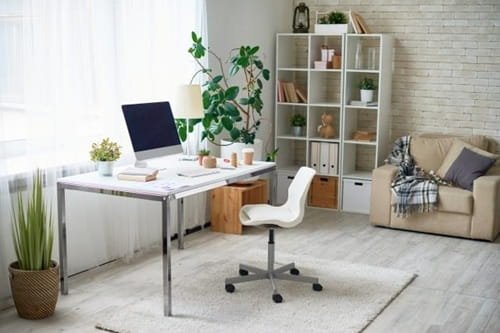
Minimalism sounds attractive until people try applying it inside a real Indian home.
That is where things become complicated.
Indian households are usually full of things — extra containers, old clothes, plastic bags, festival decorations, steel utensils, random wires, inherited furniture, gift boxes, old textbooks, medicine packets, spare buckets, unused kitchen appliances, and “important items” nobody has touched in years.
And honestly, most of it does not accumulate because people are careless.
Indian homes are shaped by habits of saving, reusing, preparing for emergencies, and avoiding waste. Older generations especially grew up in times where throwing things away felt irresponsible. So households slowly became storage systems for “future use.”
That is why minimalism in India cannot work the same way it does in Western social media videos showing nearly empty white apartments.
Real Indian minimalism has to be practical.
The goal is not owning nothing. The goal is reducing unnecessary clutter so the home feels calmer, cleaner, and easier to manage.
Here is a realistic guide to minimalism for Indian households without turning life into an extreme lifestyle experiment.
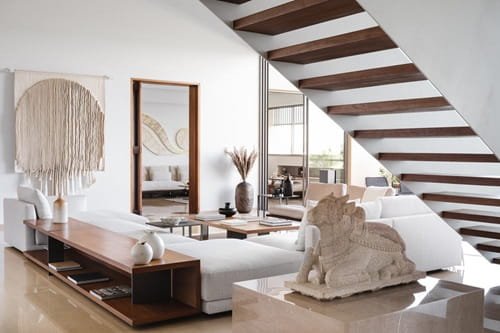
What Minimalism Actually Means
Minimalism is often misunderstood.
It does not mean:
- Empty rooms
- No decoration
- Only white furniture
- Throwing away sentimental items
- Living with 10 possessions
Minimalism simply means being intentional about what stays in your home.
The focus shifts from accumulation to usefulness.
You keep things that:
- Serve a purpose
- Add value
- Get used regularly
- Make life easier
Everything else becomes negotiable.
Why Indian Homes Collect So Much Stuff
Understanding the reason behind clutter helps more than blindly organizing it.
Indian households often accumulate items because of:
- Emotional attachment
- Fear of future need
- Family gifting culture
- Festival shopping
- Bulk buying habits
- “Useful someday” thinking
- Lack of storage planning
Many homes also contain multiple generations living together, which naturally increases belongings.
Minimalism in India therefore needs balance, not aggressive decluttering.
Step 1: Stop Trying to Declutter the Entire House at Once
This is the biggest beginner mistake.
People suddenly watch minimalism videos and decide to reorganize the whole house in one weekend.
That quickly becomes exhausting.
Instead, work slowly.
Start with:
- One drawer
- One shelf
- One cupboard
- One corner
Small visible progress creates motivation without mental overload.
Step 2: Understand the Difference Between Useful and “Just Stored”
Indian homes often keep huge numbers of “backup” items.
Examples include:
- Broken chargers
- Old containers
- Expired cosmetics
- Unused utensils
- Ancient cables
- Clothes untouched for years
Ask simple questions:
- Have I used this in the last year?
- Would I buy this again today?
- Am I keeping this from guilt only?
- Is this realistically useful?
Many stored items are not actually useful anymore. They are simply familiar.
Step 3: Fix the Kitchen First
Indian kitchens usually contain the highest hidden clutter.
Common examples:
- Duplicate containers
- Old spice packets
- Unused appliances
- Plastic bag collections
- Expired sauces
- Damaged utensils
Minimalist kitchens do not need fewer essential utensils. They need better organization and less duplication.
Practical Kitchen Minimalism
Helpful habits include:
- Keeping matching containers
- Removing broken items
- Using vertical storage
- Rotating older groceries forward
- Avoiding unnecessary bulk purchases
A functional kitchen feels calmer immediately after decluttering.
Step 4: Reduce “Free Item” Accumulation
Indian households collect large numbers of free items like:
- Shopping bags
- Plastic containers
- Gift boxes
- Hotel toiletries
- Festival packaging
Because they seem “potentially useful.”
Some storage is practical.
But excessive backup storage creates invisible clutter everywhere.
Set reasonable limits instead.
For example:
- Keep only reusable quality bags
- Store limited containers
- Discard damaged extras
Minimalism works better through limits than extreme restrictions.
Step 5: Simplify Clothing Gradually
Wardrobes become overcrowded because people buy emotionally rather than practically.
Common clutter includes:
- Sale purchases never worn
- “Someday” clothes
- Uncomfortable outfits
- Old fashion trends
- Duplicate basics
Minimalist wardrobes focus on:
- Versatile clothing
- Comfortable fits
- Repeatable outfits
- Better quality
- Easier matching
You do not need fewer clothes instantly.
You need fewer unused clothes.
Step 6: Control Festival and Seasonal Storage
Indian homes often have massive seasonal storage because of:
- Diwali decorations
- Wedding items
- Winter blankets
- Religious materials
- Extra utensils for guests
Instead of removing everything, organize them intentionally.
Helpful methods include:
- Labeled boxes
- Vertical storage
- Vacuum storage bags
- Seasonal rotation systems
Minimalism is easier when storage feels controlled instead of chaotic.
Step 7: Stop Emotional Shopping
Modern online shopping creates constant clutter buildup.
People buy things because they feel:
- Bored
- Stressed
- Influenced
- Excited during sales
Minimalism becomes impossible without mindful purchasing habits.
Before buying something, ask:
- Do I actually need this?
- Where will it be stored?
- Will I still use it after one month?
- Am I buying from emotion or practicality?
This single habit prevents future clutter more than decluttering itself.
Why Minimalist Homes Feel Mentally Calmer
Clutter affects attention more than many people realize.
Messy environments often increase:
- Visual stress
- Cleaning effort
- Decision fatigue
- Mental overload
Cleaner organized spaces reduce friction during daily routines.
You spend less time:
- Searching for things
- Managing clutter
- Cleaning unnecessary items
That creates subtle mental relief.
Minimalism Should Not Destroy Cultural Warmth
This is important in Indian homes.
Extreme minimalist aesthetics sometimes remove warmth completely.
Indian homes often contain:
- Family photos
- Religious spaces
- Traditional décor
- Handcrafted items
- Cultural memories
Minimalism should organize meaningful things, not erase personality.
A peaceful home can still feel emotionally rich.
The “One In, One Out” Rule Helps
A simple long-term trick:
Whenever a new item enters the home, remove one older unnecessary item.
This prevents endless accumulation over time.
Especially useful for:
- Clothes
- Kitchen tools
- Shoes
- Decorative items
Digital Minimalism Matters Too
Modern clutter is not only physical.
Phones and laptops also become overloaded with:
- Screenshots
- Downloads
- Apps
- Notifications
- Random files
Digital clutter creates mental clutter too.
Small cleanup habits help there as well.
Why Older Generations Resist Minimalism Sometimes
Minimalism can feel emotionally uncomfortable for people raised during scarcity periods.
Older family members may associate keeping things with:
- Safety
- Preparedness
- Financial wisdom
That is why aggressive decluttering often creates family conflict.
A softer approach works better in shared households.
Minimalism Saves Time and Money
People often notice unexpected benefits after decluttering:
- Easier cleaning
- Less unnecessary shopping
- Faster organization
- Lower stress
- Better space usage
Owning fewer unnecessary items usually reduces maintenance effort too.
Common Minimalism Mistakes
Throwing Away Useful Items Emotionally
Decluttering should stay practical.
Copying Social Media Aesthetics Blindly
Indian homes have different realities, climates, and family structures.
Trying to Become “Perfectly Minimal”
That usually becomes another stressful performance.
Final Thoughts
Minimalism for Indian households is not about empty homes or extreme lifestyle rules. It is about creating spaces that feel lighter, more functional, and less mentally exhausting to manage.
The goal is not removing culture, memories, or warmth.
The goal is reducing unnecessary accumulation that quietly steals space, time, energy, and peace over the years.
And honestly, most people do not realize how heavy clutter feels until a home finally starts breathing again.
FAQs
Q. What is minimalism for Indian households?
It is a practical approach to reducing unnecessary clutter while keeping homes functional and culturally comfortable.
Q. Do minimalist homes need to look empty?
No. Minimalism focuses on intentional ownership, not completely empty spaces.
Q. How do I start decluttering slowly?
Begin with one small area like a drawer, shelf, or cupboard instead of the entire house.
Q. Why do Indian homes collect so many items?
Cultural habits around saving, reusing, gifting, and preparing for future needs often increase household storage.
Q. Can minimalism save money?
Yes. Mindful buying and reduced clutter often lower unnecessary spending over time.
Q. Is minimalism suitable for families?
Yes. Practical minimalism can improve organization, storage, and daily household management for families.