Many foods we consider completely Indian today actually came from other parts of the world. Over centuries, traders, travelers, invaders, and colonial powers brought new ingredients to India. Indians then transformed them with local spices, cooking styles, and traditions until they became part of everyday life.
That is why it feels almost impossible to imagine Indian cuisine without them now.
From fiery curries to roadside snacks, some of the most loved Indian foods have surprisingly foreign roots. Yet India gave these foods a completely new identity that the world now recognizes as uniquely Indian.
Here are five famous examples that may surprise you.
1. Samosa – Originally From the Middle East
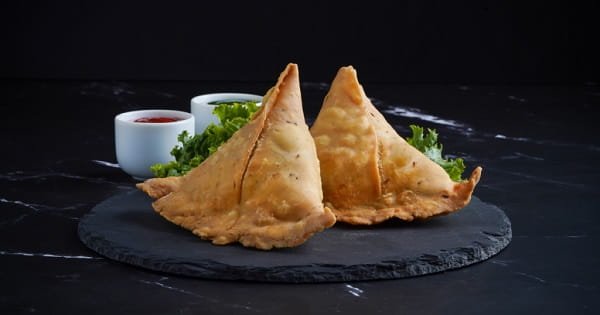
Today, the crispy potato-filled samosa feels as Indian as chai and cricket. But historians believe the samosa actually came from the Middle East and Central Asia.
The original version was called “sambusak” or “sanbosag.” It was a small pastry filled mainly with meat and nuts. Traders and travelers brought it to the Indian subcontinent during the Delhi Sultanate period.
Indian cooks later changed it completely.
They added:
- Potatoes
- Green peas
- Indian spices
- Tamarind chutney
- Deep frying techniques
Over time, the Indian vegetarian version became far more famous than the original meat-filled pastry.
Today, the samosa is one of India’s most loved street foods, found everywhere from railway stations to wedding parties.
2. Chilli – Not Originally Indian
Indian food is famous for its heat, but chillies are not native to India.
Before chillies arrived, Indians mainly used black pepper and long pepper to add spice to food. Red and green chillies actually came from South America.
Portuguese traders introduced them to India around the 15th and 16th centuries after Christopher Columbus reached the Americas.
The climate in India turned out to be perfect for growing chillies. Farmers quickly adopted them because they were cheaper and easier to grow than black pepper.
Soon, chillies became essential in:
- Curries
- Pickles
- Chutneys
- Street food
- Masala mixes
Today, imagining Indian cuisine without chilli is almost impossible.
3. Jalebi – Came From Persia
The sweet, syrupy jalebi has foreign roots too.
Its early version came from Persia and the Arab world, where it was known as “zalabiya” or “zulbiya.” Historical records show that travelers and traders brought it to India many centuries ago.
The Indian version evolved with local cooking methods and ingredients. Indian sweet makers made it crispier, sweeter, and more colorful.
Different regions then created their own versions:
- Thick jalebis in North India
- Khoya jalebi in Rajasthan
- Imarti-style variations in other states
Today, jalebi with curd or hot milk is deeply connected with Indian festivals and celebrations.
4. Potato in Indian Curries – A Foreign Arrival
Many Indians are shocked to learn that potatoes are not originally Indian.
Potatoes came from South America and were introduced to India by Portuguese traders.
Before that, famous dishes like:
- Aloo paratha
- Dum aloo
- Samosa filling
- Aloo tikki
did not exist in their current form.
At first, potatoes were considered unusual and were grown mainly in small colonial gardens. But gradually, Indians embraced them because they were filling, affordable, and adaptable.
Today, potatoes are everywhere in Indian cooking. In fact, some people cannot imagine daily meals without them.
India eventually transformed the potato into something uniquely Indian through spices and regional recipes.
5. Tea – Popularized by the British
India is now one of the world’s biggest tea producers, and chai is a daily ritual in millions of homes. But modern tea drinking became popular during British colonial rule.
Tea plants did exist in parts of Assam naturally, but tea was not widely consumed across India the way it is today.
The British East India Company expanded tea cultivation massively to compete with Chinese tea markets. Later, companies promoted tea drinking among Indians to increase domestic consumption.
Indians then reinvented tea entirely.
Instead of plain tea, they added:
- Milk
- Sugar
- Ginger
- Cardamom
- Cloves
- Masala blends
This created the famous Indian masala chai now loved worldwide.
How India Made These Foods Its Own
The fascinating thing is not that these foods came from elsewhere. The real story is how India transformed them completely.
Indian cuisine absorbed outside influences and reshaped them using:
- Regional spices
- Traditional cooking methods
- Local ingredients
- Cultural preferences
That is why the Indian versions often became more famous than the originals.
Food history shows that cuisines constantly evolve. What matters most is how people adapt and celebrate them over generations.
Final Thoughts
Many foods we proudly consider “100% Indian” actually traveled long distances before reaching Indian kitchens. Yet India gave them a new life, flavor, and identity.
From the Persian jalebi to the South American chilli and potato, these ingredients became deeply woven into Indian culture over time.
That is the beauty of Indian cuisine. It does not just copy food from elsewhere. It transforms it into something unforgettable.
FAQs
Q. Is samosa originally Indian?
No. Historians believe samosa originated in the Middle East and Central Asia before reaching India.
Q. Who brought chillies to India?
Portuguese traders introduced chillies to India from South America during the 15th and 16th centuries.
Q. Were potatoes always used in Indian food?
No. Potatoes arrived in India through Portuguese influence and became popular later.
Q. Is jalebi an Indian sweet?
Jalebi became hugely popular in India, but its earlier form came from Persia and the Arab world.
Q. Did Indians always drink tea?
Tea became widely popular during British colonial rule, though tea plants existed naturally in Assam earlier.
Q. Why do foreign foods become part of Indian cuisine?
India has a long history of trade and cultural exchange. Over time, outside foods were adapted using Indian spices and cooking traditions.