Almost every Indian household faces the same problem.
You buy fresh coriander, spinach, tomatoes, green chillies, and vegetables for the week. Two or three days later, half of them are soggy, blackened, smelly, or leaking water inside the fridge drawer.
Then comes the frustration:
“Why do vegetables spoil so fast?”
In many cases, the problem is not the vegetables. It is the refrigerator setup.
Most Indian refrigerators are packed incorrectly. Vegetables that need airflow are trapped inside plastic bags. Fruits releasing ethylene gas are placed beside leafy greens. Hot leftovers are pushed into already overcrowded shelves. Moisture builds up everywhere.
A refrigerator is not just a cold box. Different sections have different temperatures, airflow, and humidity levels. Once you understand how to organize it properly, your vegetables can stay fresh much longer.
Here is the correct way to organize an Indian refrigerator and reduce food spoilage.
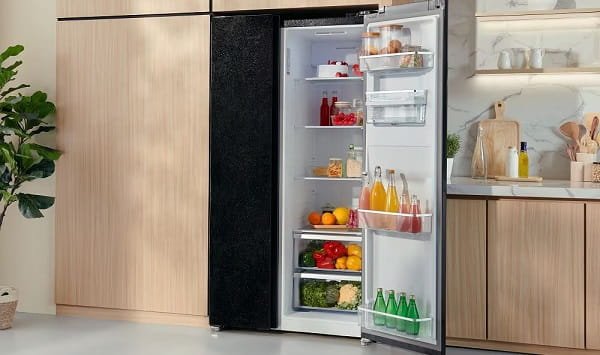
The Biggest Mistake: Treating the Whole Fridge the Same
Most people randomly place food wherever space is available.
But every part of a refrigerator behaves differently.
Some sections are:
- Colder
- More humid
- Drier
- Better ventilated
Vegetables spoil faster when stored in the wrong zone.
Understanding the Main Refrigerator Zones
Top Shelf – Most Stable Temperature
The top shelf usually has the most stable temperature.
Best for:
- Leftovers
- Cooked food
- Dairy products
- Sweets
- Ready-to-eat items
Do not keep raw vegetables here for long periods.
Middle Shelves – Everyday Foods
This section works well for:
- Milk
- Curd
- Paneer
- Open packets
- Eggs
- Snacks
Avoid overcrowding because blocked airflow increases uneven cooling.
Bottom Shelves – Coldest Area
The lower section is usually colder.
Best for:
- Raw meat
- Fish
- Frozen marinated items
Keep these sealed properly to avoid contamination.
The Vegetable Drawer Is Often Misused
Crisper Drawer = Humidity Control
Most Indian refrigerators include a vegetable crisper drawer, but many people overload it completely.
That drawer is designed to maintain higher humidity for vegetables.
But if stuffed tightly:
- Airflow reduces
- Moisture builds up
- Vegetables sweat and rot faster
Leave some breathing space inside the drawer.
Never Store Wet Vegetables Directly
This is one of the biggest reasons vegetables spoil quickly.
After washing vegetables, many people immediately refrigerate them while still wet.
Extra moisture speeds up:
- Fungus growth
- Softening
- Bad smell
- Rotting
Instead:
- Dry vegetables properly first
- Use kitchen towels or tissue paper
- Store leafy greens in breathable containers
Even coriander lasts much longer this way.
How to Store Common Indian Vegetables Properly
Coriander and Mint
Best method:
- Remove damaged leaves
- Dry completely
- Wrap lightly in tissue
- Store in an airtight box or jar
Some people also store coriander stems in a small water container like flowers.
Green Chillies
Store them dry inside paper towels or breathable pouches.
Moisture makes them black quickly.
Tomatoes
Do not refrigerate fully raw tomatoes immediately.
Cold temperatures can reduce flavor and create soft texture.
Keep semi-ripe tomatoes outside first, then refrigerate later if needed.
Potatoes and Onions
Never refrigerate them unless absolutely necessary.
Cold conditions affect:
- Texture
- Taste
- Shelf life
Store them in cool, dark, ventilated baskets instead.
Also keep potatoes and onions separate because gases released by onions speed up potato spoilage.
Leafy Greens
Spinach, methi, and lettuce spoil rapidly when compressed.
Use:
- Loose storage
- Breathable bags
- Tissue-lined boxes
Avoid tightly tying them in plastic.
Fruits Can Destroy Vegetables Faster
Many fruits release ethylene gas, which speeds up ripening and spoilage nearby.
High-ethylene fruits include:
- Bananas
- Apples
- Mangoes
- Papayas
Keep them away from:
- Leafy greens
- Cucumbers
- Coriander
- Broccoli
This single change can increase vegetable freshness significantly.
Stop Using Thin Plastic Carry Bags
Indian households often store vegetables in the same shopping bags they came in.
That traps moisture badly.
Better alternatives:
- Mesh bags
- Cloth bags
- Ventilated boxes
- Perforated containers
Air circulation matters.
Do Not Put Hot Food Directly in the Fridge
Hot food raises internal fridge temperature temporarily.
This affects nearby vegetables and dairy products too.
Always cool food slightly before refrigeration.
Refrigerator Overcrowding Is a Hidden Problem
Indian refrigerators are often overloaded after weekly shopping.
When shelves become packed:
- Air circulation drops
- Cooling becomes uneven
- Moisture accumulates
This speeds up spoilage everywhere.
A fridge works best when cold air can move freely.
Clean the Refrigerator Regularly
Old vegetable liquids and hidden spills create bacteria and bad smells.
At least once every 1–2 weeks:
- Remove expired items
- Wipe shelves
- Clean vegetable drawers
- Check for leaking packets
This improves hygiene and freshness.
Ideal Refrigerator Temperature
Experts generally recommend:
- Refrigerator: around 3–5°C
- Freezer: around -18°C
Many Indian homes unknowingly set extremely low temperatures, which can damage certain vegetables instead of preserving them.
Simple Weekly Refrigerator Routine
A small routine helps greatly:
Every Grocery Day
- Remove old vegetables first
- Dry fresh vegetables before storing
- Separate fruits and greens
Midweek
- Check softening vegetables
- Use older items first
- Remove spoiled pieces immediately
One rotten vegetable can affect nearby produce quickly.
Best Containers for Indian Kitchens
Useful storage options include:
- Glass containers
- BPA-free boxes
- Mesh vegetable bags
- Tissue-lined boxes
- Steel containers for leftovers
Transparent containers also help because you can actually see what is inside.
Final Thoughts
Vegetables usually do not rot quickly because they are “bad quality.” Most spoilage happens because refrigerators are organized poorly.
Indian kitchens deal with heat, humidity, bulk shopping, leftovers, and crowded storage conditions. A few small changes in refrigerator organization can dramatically improve freshness and reduce food waste.
Better airflow, proper moisture control, and smarter storage habits can help vegetables stay fresh for days longer.
And in today’s food economy, wasting less food is not just convenient. It saves real money too.
FAQs
Q: Why do vegetables become soggy inside the fridge?
Excess moisture and poor airflow usually cause soggy vegetables.
Q: Should vegetables be washed before refrigerating?
Yes, but they should be dried properly before storage.
Q: Why do coriander leaves spoil quickly?
Coriander is highly moisture-sensitive. Storing it wet or tightly packed causes rapid spoilage.
Q: Can fruits and vegetables be stored together?
Some fruits release ethylene gas that speeds up vegetable spoilage, so separation is better.
Q: Is it bad to overcrowd the refrigerator?
Yes. Overcrowding blocks airflow and causes uneven cooling.
Q: Which vegetables should not be refrigerated?
Potatoes, onions, garlic, and some raw tomatoes are usually better stored outside in cool, dry conditions.