Most people think journaling means writing dramatic diary entries every night about feelings, heartbreak, or life problems.
That is one version of it. But real journaling is much broader — and much simpler.
At its core, journaling is just giving your thoughts somewhere to go.
Modern life keeps the brain constantly overloaded. Notifications, work stress, social media, overthinking, comparison, and endless mental noise leave many people emotionally crowded all the time. Thoughts pile up faster than they get processed.
That is why journaling helps more people than they expect.
Writing things down slows the mind slightly. It turns vague emotional pressure into visible words. Sometimes that alone reduces anxiety. You stop carrying every thought only inside your head.
And importantly, journaling does not need perfect grammar, deep wisdom, or fancy notebooks.
You only need honesty and consistency.
Here is how to start journaling in a realistic way that actually supports mental health instead of becoming another abandoned productivity habit.
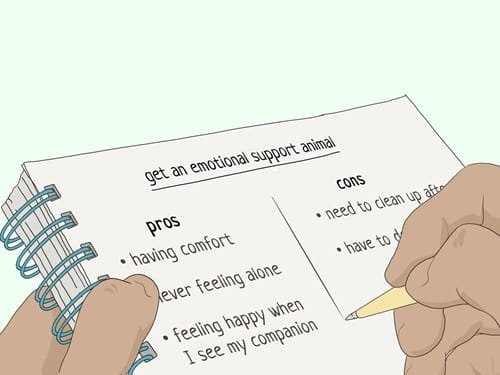
Why Journaling Helps Mental Health
Journaling is not magic, but psychology research does show that expressive writing may help reduce stress, improve emotional awareness, and support mental processing for some people. (apa.org)
Writing can help people:
- Organize thoughts
- Process emotions
- Recognize patterns
- Reduce mental clutter
- Reflect more clearly
- Slow racing thoughts
Many people discover they do not fully understand what they feel until they try writing it.
Thoughts often become clearer on paper than inside the mind.
The Biggest Mistake Beginners Make
Most people quit journaling because they try making it perfect.
They buy expensive journals, create strict routines, or expect profound writing every day.
Then after missing a few days, they stop entirely.
Journaling works better when treated casually rather than like homework.
You are not writing for grades or social media.
You are writing for mental clarity.
Messy journaling is completely fine.
You Do Not Need to Write Daily
This surprises many people.
Daily journaling can help some individuals, but forcing yourself to write every single day sometimes creates pressure instead of relief.
Three or four honest sessions weekly may help more than forced daily pages full of empty writing.
Consistency matters more than frequency.
Choose a Journaling Style That Feels Natural
Different people process emotions differently.
There is no single “correct” journaling method.
1. Brain Dump Journaling
This is the easiest starting point.
Simply write whatever is in your head without structure.
Examples:
- Worries
- Random thoughts
- Frustrations
- Tasks
- Emotions
- Overthinking
The goal is mental unloading, not beautiful writing.
This style works especially well for anxious or overwhelmed minds.
2. Gratitude Journaling
This focuses on positive attention training.
You write a few things you appreciated that day.
Simple examples:
- Good tea
- A peaceful walk
- A friend’s message
- Finishing work early
The goal is not fake positivity.
It is helping the brain notice small stable things alongside stress.
3. Reflection Journaling
This style involves processing experiences more deeply.
Questions may include:
- Why did today feel stressful?
- What triggered me?
- What drained my energy?
- What made me feel calm?
This builds emotional awareness gradually.
4. Goal or Habit Journaling
Some people use journaling for structure rather than emotional release.
Examples include tracking:
- Sleep
- Mood
- Habits
- Exercise
- Focus levels
- Productivity
This can reveal patterns affecting mental health over time.
Digital vs Paper Journaling
Both work.
The best choice is simply the one you will actually use consistently.
Paper Journals
Many people feel handwriting slows thoughts down more naturally.
Benefits include:
- Fewer distractions
- Better emotional focus
- More personal feeling
Digital Journaling
Others prefer phones, laptops, or journaling apps because they are faster and more convenient.
This works especially well for:
- Busy schedules
- Private password-protected writing
- Quick emotional notes
Neither method is “more authentic.”
Use what feels comfortable.
What Should You Actually Write About?
This is where beginners often freeze.
You do not need profound topics.
Start simple.
Examples:
- “I feel mentally tired today.”
- “Work stressed me out.”
- “I cannot stop overthinking this conversation.”
- “I felt peaceful during my evening walk.”
Even short honest sentences work.
Journaling becomes easier once you stop trying to sound impressive.
Helpful Journaling Prompts for Mental Health
If your mind goes blank, prompts help.
Useful prompts include:
- What is bothering me most right now?
- What made me anxious today?
- What do I need emotionally?
- What am I avoiding?
- What gave me energy today?
- What am I grateful for?
- What do I want tomorrow to feel like?
Prompts create direction when thoughts feel chaotic.
Journaling Is Not Only for Negative Emotions
Many people only write during emotional breakdowns.
But journaling also helps preserve:
- Good memories
- Progress
- Personal growth
- Calm moments
- Gratitude
- Ideas
Balanced journaling prevents it from becoming emotionally heavy all the time.
Why Journaling Helps Anxiety Specifically
Anxiety often keeps thoughts spinning repeatedly without resolution.
Writing interrupts that cycle.
When worries become visible, they often feel:
- More manageable
- More specific
- Less overwhelming
Some therapists describe journaling as externalizing thoughts instead of carrying them entirely mentally.
That can reduce emotional intensity for many people.
What Journaling Cannot Replace
It is important to stay realistic.
Journaling can support mental health, but it is not a replacement for:
- Therapy
- Medication
- Professional treatment
- Crisis support
For severe depression, trauma, panic disorders, or mental health emergencies, professional care matters greatly.
Journaling works best as a supportive tool, not a complete solution.
Create a Low-Pressure Routine
The best journaling routines feel sustainable.
Helpful ideas include:
- Write before bed
- Journal after stressful workdays
- Keep journals near the bed
- Use short sessions
- Write without editing
Even five honest minutes can help.
Stop Judging Your Writing
This is extremely important.
Your journal does not need:
- Perfect grammar
- Beautiful sentences
- Deep wisdom
- Positivity
- Organization
Nobody else needs to read it.
Raw honesty often helps more than polished writing.
Why People Often Quit Journaling
Common reasons include:
- Trying too hard
- Expecting instant transformation
- Feeling repetitive
- Forgetting consistency
- Treating journaling like productivity work
Mental-health journaling works best when it feels safe, flexible, and personal.
Signs Journaling May Be Helping
Over time, some people notice:
- Reduced mental clutter
- Better emotional awareness
- Faster recovery from stress
- Improved self-understanding
- Clearer thought patterns
Sometimes the changes are subtle rather than dramatic.
Final Thoughts
Journaling is not about becoming a writer. It is about becoming more honest with yourself.
Modern life keeps many people mentally overstimulated and emotionally disconnected from their own thoughts. Writing creates a pause in that noise. It gives emotions structure instead of letting them swirl endlessly inside the mind.
And honestly, that is why journaling helps so many people.
Not because it magically fixes life.
But because sometimes putting thoughts into words makes them feel slightly lighter to carry.
FAQs
Q. How do beginners start journaling?
Start with simple honest thoughts about your day, emotions, or stress without worrying about structure or grammar.
Q. Is journaling good for mental health?
Research suggests journaling may help reduce stress, process emotions, and improve emotional awareness.
Q. Should I journal every day?
Not necessarily. Consistency matters more than strict daily writing.
Q. What should I write in a journal?
You can write about thoughts, emotions, worries, gratitude, goals, or daily experiences.
Q. Is digital journaling okay?
Yes. Digital journaling works well if it feels more convenient and sustainable for you.
Q. Can journaling replace therapy?
No. Journaling can support mental health, but professional help is important for serious mental health conditions.