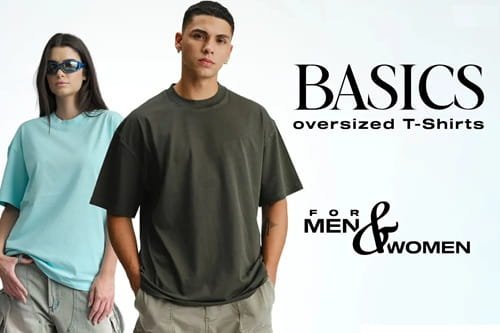
For years, Indian fashion culture was built around buying new clothes.
New festival outfits. New wedding clothes. New seasonal trends. New online sale purchases every few weeks. Fast fashion became deeply connected with social media culture, influencer styling, and constant trend updates.
But something interesting is happening now among Gen-Z Indians.
Many young shoppers are moving in the opposite direction.
Instead of chasing expensive branded fashion or endless online shopping hauls, more Gen-Z consumers are exploring thrift fashion — buying pre-owned, vintage, upcycled, or second-hand clothing through Instagram stores, thrift pages, flea markets, and resale apps.
And surprisingly, this shift is no longer just about saving money.
For many young Indians, thrift fashion now represents:
- Individual style
- Sustainability
- Anti-fast-fashion thinking
- Budget-smart shopping
- Vintage aesthetics
- Fashion experimentation
What was once seen as “used clothing” is now becoming part of modern youth fashion culture.
And honestly, Gen-Z may be changing how India thinks about fashion consumption completely.
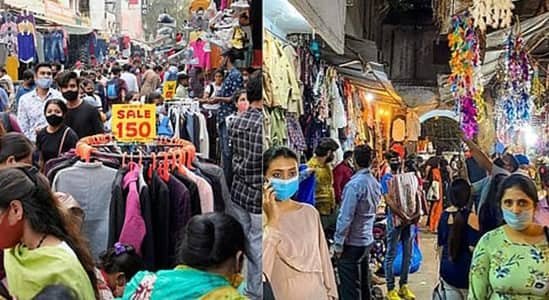
Thrift Fashion Was Once Socially Stigmatized in India
For a long time, second-hand clothing carried strong stigma in many Indian households.
People often associated thrift shopping with:
- Financial struggle
- Lack of affordability
- “Old clothes”
- Lower social status
Buying new clothes was seen as a sign of success and upward mobility.
That mindset still exists in many families today.
But Gen-Z approaches fashion very differently from older generations.
Younger consumers increasingly care less about whether something is “brand new” and more about whether it feels:
- Unique
- Stylish
- Affordable
- Trendy
- Sustainable
That cultural shift changed everything.
Social Media Helped Normalize Thrift Fashion
Instagram played a massive role here.
Thousands of Indian thrift stores now operate through:
- Instagram pages
- Curated drops
- Resale platforms
- College thrift communities
Young buyers discovered they could find:
- Vintage jackets
- Oversized tees
- Y2K fashion
- Korean-style outfits
- Streetwear pieces
- Branded items at lower prices
that looked more unique than mass-produced mall fashion.
And because social media values individuality heavily, thrift fashion suddenly became “cool” instead of embarrassing.
Gen-Z Is Tired of Looking Like Everyone Else
Fast fashion created a strange problem.
When everyone shops from the same trending online stores, personal style starts looking identical.
Many Gen-Z shoppers now want clothes that feel:
- Less mass-produced
- Less repetitive
- More expressive
Thrift fashion helps because second-hand pieces are often limited or one-of-a-kind.
That uniqueness matters strongly in modern youth fashion culture.
Especially online.
Affordability Matters Too
Of course, money still plays a major role.
Gen-Z faces:
- Rising living costs
- Expensive branded fashion
- Student budgets
- Urban spending pressure
Thrift shopping allows people to experiment with fashion without spending huge amounts.
For example, buyers may find:
- Vintage denim
- Oversized hoodies
- Branded shirts
- Streetwear jackets
for a fraction of retail prices.
That makes trend experimentation much more accessible.
Sustainability Is Becoming More Important
Gen-Z also grew up during rising conversations around:
- Climate change
- Textile waste
- Fast fashion pollution
- Overconsumption
The fashion industry is heavily criticized globally for waste, water usage, and unsold inventory problems.
Thrifting feels like a more sustainable alternative because it extends clothing lifespan instead of constantly producing new garments.
Many young buyers now view thrift shopping as both stylish and environmentally responsible.
The Y2K and Vintage Trend Changed Everything
Fashion trends heavily influenced thrift culture too.
Gen-Z became obsessed with aesthetics like:
- Y2K fashion
- Vintage denim
- Oversized silhouettes
- Retro jackets
- 90s streetwear
Ironically, actual vintage clothing often looks more authentic than modern fast-fashion reproductions.
That increased demand for thrifted pieces massively.
College Culture Accelerated the Trend
Thrift fashion became especially popular among:
- College students
- Creative communities
- Urban youth circles
- Fashion content creators
Why?
Because college fashion often rewards individuality more than expensive luxury branding.
Students enjoy styling outfits creatively without needing huge budgets.
Thrift culture fits perfectly into that environment.
Instagram Thrift Stores Changed Indian Fashion Shopping
One of the most interesting things about India’s thrift movement is that much of it operates informally through social media.
Many thrift businesses now run entirely through:
- Instagram DMs
- Story sales
- Limited “drops”
- Curated vintage collections
This created a highly community-driven fashion ecosystem.
Some stores even sell out within minutes after posting collections.
The “Treasure Hunt” Feeling Makes Thrifting Addictive
Traditional online shopping feels predictable.
Thrifting feels uncertain.
And that uncertainty makes it exciting.
People enjoy searching for unexpected finds like:
- Rare jackets
- Vintage jeans
- Retro shirts
- Unique accessories
The shopping process feels more personal and rewarding compared to endlessly scrolling identical fast-fashion listings.
Not Everyone Trusts Thrift Fashion Yet
Despite its growth, thrift fashion still faces criticism in India.
Common concerns include:
- Hygiene fears
- Quality inconsistency
- Fake branding
- Sizing issues
- Social judgment
Some families still strongly prefer new clothing over pre-owned fashion.
That mindset may take longer to change completely.
Hygiene Concerns Are Real — But Manageable
Many beginners worry about wearing second-hand clothes.
But most thrift buyers simply:
- Wash clothes properly
- Steam garments
- Sanitize items
before wearing them.
Good thrift stores also increasingly focus on cleaning, curation, and presentation quality.
Fast Fashion Still Dominates Overall
It is important to stay realistic.
Fast fashion remains massively larger than thrift fashion in India overall.
Brands continue pushing:
- Cheap trend cycles
- Rapid online sales
- Influencer marketing
- Constant product drops
But Gen-Z thrift culture is growing because many young consumers are becoming more conscious about overconsumption and repetitive trend buying.
Thrifting Also Encourages Better Styling Skills
Interestingly, thrift shoppers often become more creative stylists.
Because thrift collections are unpredictable, buyers learn to:
- Mix aesthetics
- Re-style outfits
- Experiment more
- Build personal fashion identity
That creativity becomes part of the appeal.
Why Gen-Z Connects Emotionally With Thrift Fashion
Thrifting feels less corporate.
That matters.
Young consumers increasingly distrust highly commercialized fast-fashion culture where trends change every two weeks just to encourage more shopping.
Thrift culture feels slower, more individual, and less manufactured emotionally.
Is Thrift Fashion Really Sustainable?
This question is complicated.
Thrifting reduces waste compared to constantly buying new fast fashion.
But sustainability also depends on:
- Shipping practices
- Packaging
- Consumption habits
- Overbuying thrifted items unnecessarily
Buying excessive second-hand clothing still becomes overconsumption eventually.
Mindful shopping matters more than labels alone.
Final Thoughts
Gen-Z India is not switching to thrift fashion only because it is cheaper. The movement reflects larger cultural changes around identity, sustainability, individuality, and rejection of constant fast-fashion pressure.
Young shoppers increasingly want clothes that feel personal rather than mass-produced.
And honestly, that may be the biggest reason thrift culture keeps growing.
Because in a world where trends move faster than ever, wearing something unique suddenly feels more valuable than wearing something brand new.
FAQs
Q1. Why is thrift fashion becoming popular in India?
Gen-Z shoppers are increasingly drawn to thrift fashion for affordability, sustainability, and unique personal style.
Q2. Is thrift shopping cheaper than fast fashion?
Often yes. Many thrifted items cost significantly less than branded retail fashion.
Q3. Are thrift clothes hygienic?
Most buyers wash or sanitize thrifted clothing before use. Reputable thrift sellers also clean items properly.
Q4. What types of clothes are popular in thrift fashion?
Vintage denim, oversized T-shirts, Y2K fashion, jackets, streetwear, and retro pieces are especially popular.
Q5. Why does Gen-Z prefer thrift fashion?
Many Gen-Z consumers value individuality, sustainability, and affordable fashion experimentation.
Q6. Is thrift fashion environmentally friendly?
Thrifting can reduce textile waste by extending clothing lifespan, though mindful consumption still matters.